
Newcastle has long been recognised as one of the UK's key asylum dispersal cities, but where does it actually rank compared with the rest of the country?
The answer is more complex than many people might expect. While Newcastle has housed asylum seekers for more than two decades and continues to play a significant role in the national dispersal system, it is not the local authority with the highest number of people seeking asylum. However, both Newcastle and the wider North East consistently rank among the regions accommodating the highest number of asylum seekers relative to their population.
With migration remaining one of the country's most debated political issues, the latest Home Office figures provide a clearer picture of where people seeking asylum are being housed and how Newcastle compares with the rest of Britain.
Newcastle has been part of the dispersal system for decades.
Newcastle joined the Home Office's asylum dispersal programme in 1999 and has continued welcoming people fleeing conflict and persecution ever since.
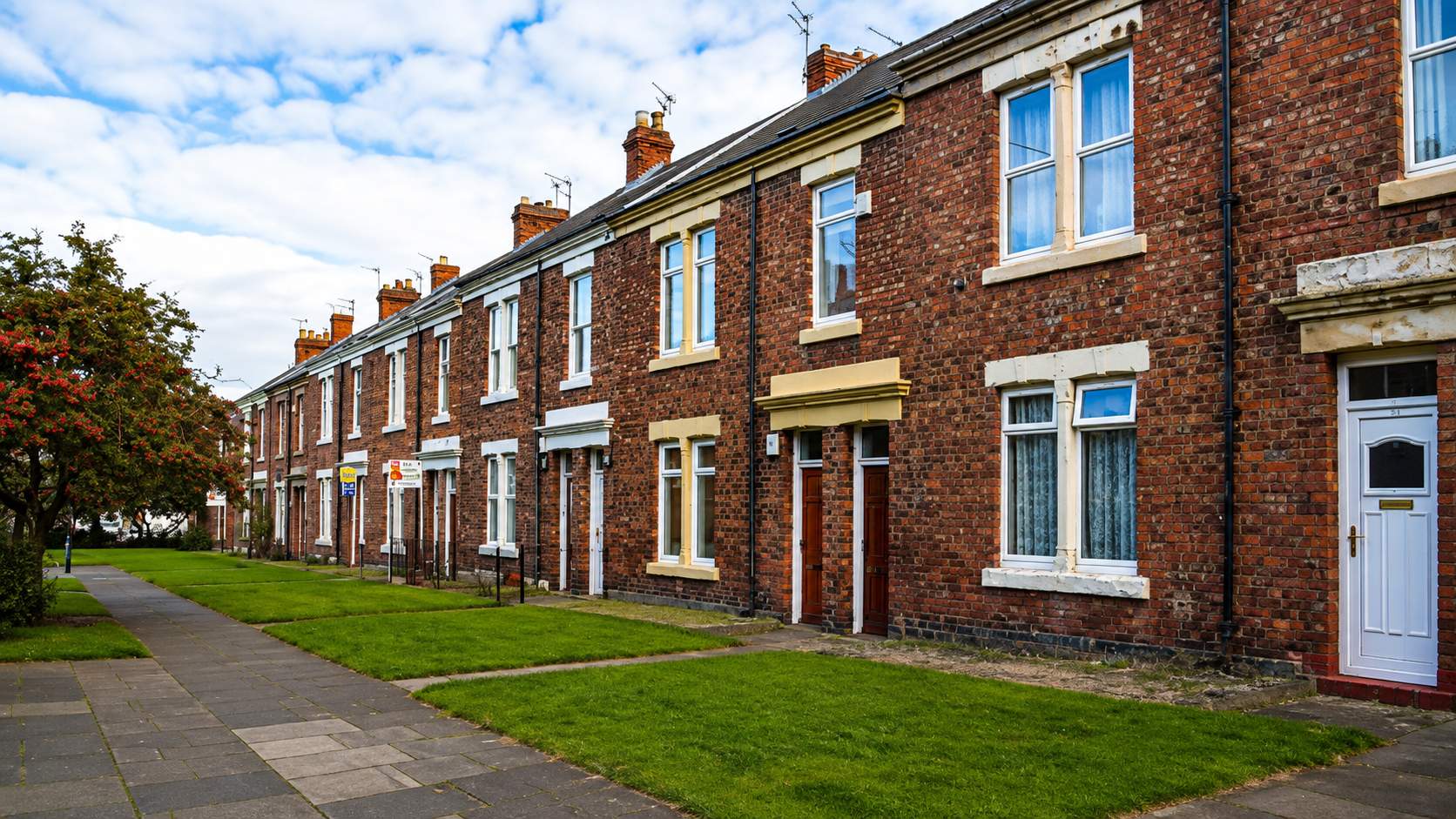
According to Newcastle City Council, the city is currently home to more than 1,500 asylum seekers living in dispersed accommodation across the city. Unlike refugees who have already been granted permission to remain in the UK, asylum seekers are waiting for a decision on their application and are housed under contracts arranged by the Home Office rather than the council itself.
Council leaders have repeatedly said they have limited influence over where accommodation is located because contracts are awarded directly by the Home Office to private providers.
Where does Newcastle rank nationally.
Although Glasgow remains the UK local authority with the largest number of housed asylum seekers, Newcastle sits within one of the country's busiest regions for asylum accommodation.
Parliamentary research shows the North East has one of the highest rates of housed asylum seekers anywhere in Britain when measured against population size. Recent figures place the region at around 26 asylum seekers for every 10,000 residents, marginally behind or alongside the North West depending on the reporting period.
That means the North East accommodates proportionally far more asylum seekers than regions including the South East, South West and East of England.
The regional picture reflects the long-established dispersal programme, which was designed to spread accommodation more evenly across the country instead of concentrating demand in London.
How many asylum seekers are currently housed across the UK.
Nationally, more than 100,000 people receive asylum support from the Home Office while their applications are processed.
Around two-thirds are housed in dispersal accommodation such as rented homes and flats, while roughly one-third remain in hotels or other temporary accommodation. The Government has reduced hotel use from its 2023 peak but tens of thousands of people are still living in temporary settings as decisions continue to be processed.
The Home Office says increasing asylum decision making remains one of the main ways of reducing accommodation pressures across the country.
Why is the North East home to so many asylum seekers.
The dispersal programme was created to reduce pressure on London and the South East by using available housing across Britain.
Historically, cities including Newcastle, Middlesbrough, Sunderland and Gateshead have offered larger supplies of suitable rental accommodation than many southern areas, making them important parts of the national network.
Housing providers contracted by the Home Office secure properties from the private rental market before allocating them to eligible asylum seekers. Local authorities themselves do not usually own or allocate these homes.
What does this mean for Newcastle residents.
The subject continues to generate strong opinions locally.
Supporters point to Newcastle's long history as a City of Sanctuary and the contribution many former asylum seekers make after being granted refugee status.
Others have raised concerns about pressure on housing, local services and the continued use of hotels for temporary accommodation.
Newcastle City Council has previously called for greater involvement in decisions over where asylum accommodation is located, arguing that closer collaboration with the Home Office would lead to more suitable placements and better support for local communities.
The national picture continues to evolve.
Migration and asylum policy remain central political issues across the UK, with successive governments promising to reduce hotel accommodation while speeding up asylum decisions.
For Newcastle, the city is expected to remain an important part of the UK's dispersal network. While it does not top the national rankings by total numbers, both Newcastle and the wider North East continue to shoulder one of the country's highest levels of asylum accommodation relative to population.
As government policy changes and asylum claims fluctuate, Newcastle's role is likely to remain firmly in the spotlight.
Share your thoughts below.
What are your views on Newcastle's role in housing asylum seekers?
Political News
Where Newcastle Ranks for Housing Asylum Seekers
Advertisement


Comments (0)
You must be logged in to post comments.
Don't have an account? Register here
No comments yet. Be the first to share your thoughts!