
Planning a day out is a different exercise when access matters. The question is not simply whether somewhere is interesting, but whether there is parking close enough, whether the paths are manageable, whether there is a toilet you can actually use, and whether the information available is detailed enough to trust.
Attractions vary enormously, and the gap between those who have thought about it properly and those who have installed a ramp and considered the matter closed is wide.
Detailed access information is the thing to look for.
The most useful indicator of whether somewhere has taken access seriously is the quality of the information it publishes before you arrive.
A good access statement gives specifics: the gradient of paths, the surface type, the distance from the accessible parking to the entrance, the number of steps and whether there is a handrail, the width of doorways, the availability of seating along routes, and the lighting and noise levels in each area.
Vague reassurance that a site is wheelchair friendly tells you nothing. Detailed information allows you to make your own judgement, which is what people actually need.
The AccessAble guides, produced by surveyors who visit and measure, cover a substantial number of North East venues and are considerably more reliable than a venue's own marketing.
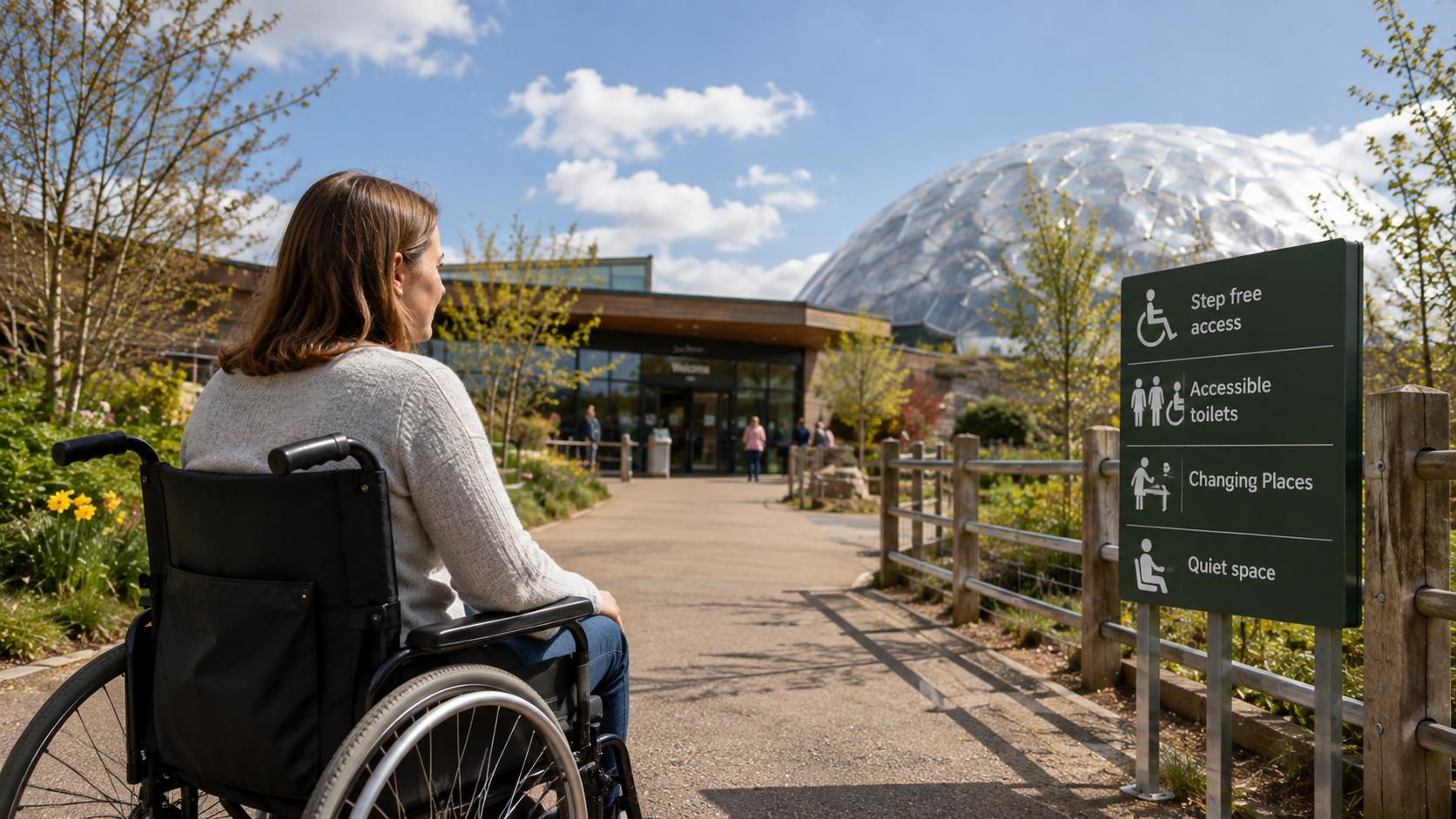
Changing Places toilets are the make-or-break facility.
A standard accessible toilet is not sufficient for everyone. Changing Places facilities provide a height-adjustable adult changing bench, a hoist, adequate space for a wheelchair user and up to two carers, and a privacy screen.
For families and individuals who need them, the presence or absence of a Changing Places toilet determines whether a day out is possible at all, and their absence is the single most common reason people are effectively excluded from public places.
Provision has expanded considerably, with new building regulations requiring them in large new public buildings, and a national map allows you to check locations before travelling.
Larger attractions, shopping centres, transport hubs and some coastal locations across the North East now have them, but coverage remains patchy and checking in advance is essential.
What tends to work well in the region.
Larger heritage and visitor attractions with modern visitor centres generally do better than historic buildings constrained by their fabric. Purpose-built facilities can be designed properly; a medieval castle cannot.
Where historic sites do well, it is usually through honesty and imagination: making clear which parts are accessible, providing alternative experiences such as virtual tours or ground-floor exhibitions, and training staff properly.
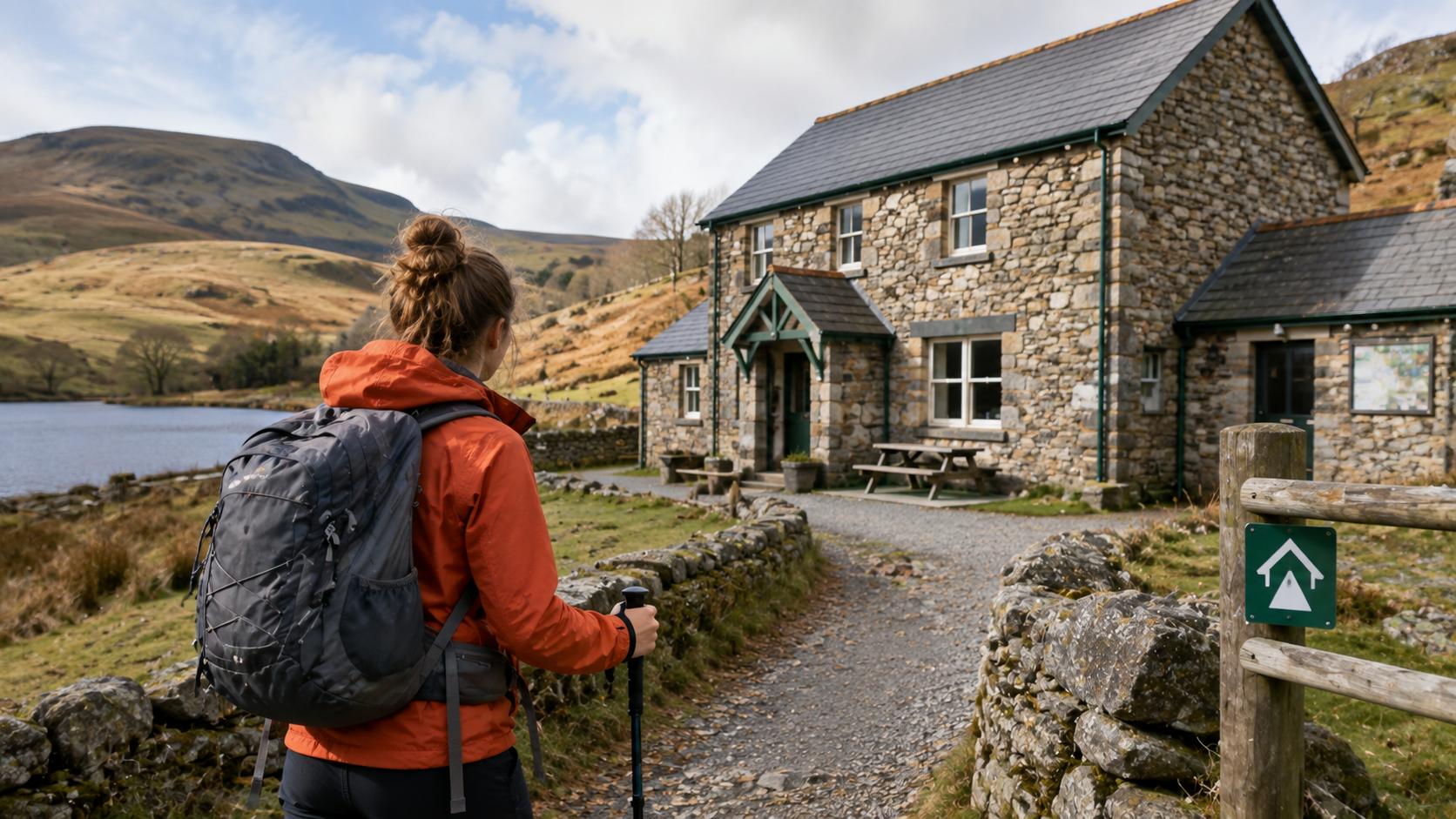
Country parks and reserves with surfaced trails are frequently the best option for a straightforward day out, offering genuinely level, well-maintained routes with parking, toilets and cafés. Several sites across Tyneside, Northumberland and Durham fall into this category.
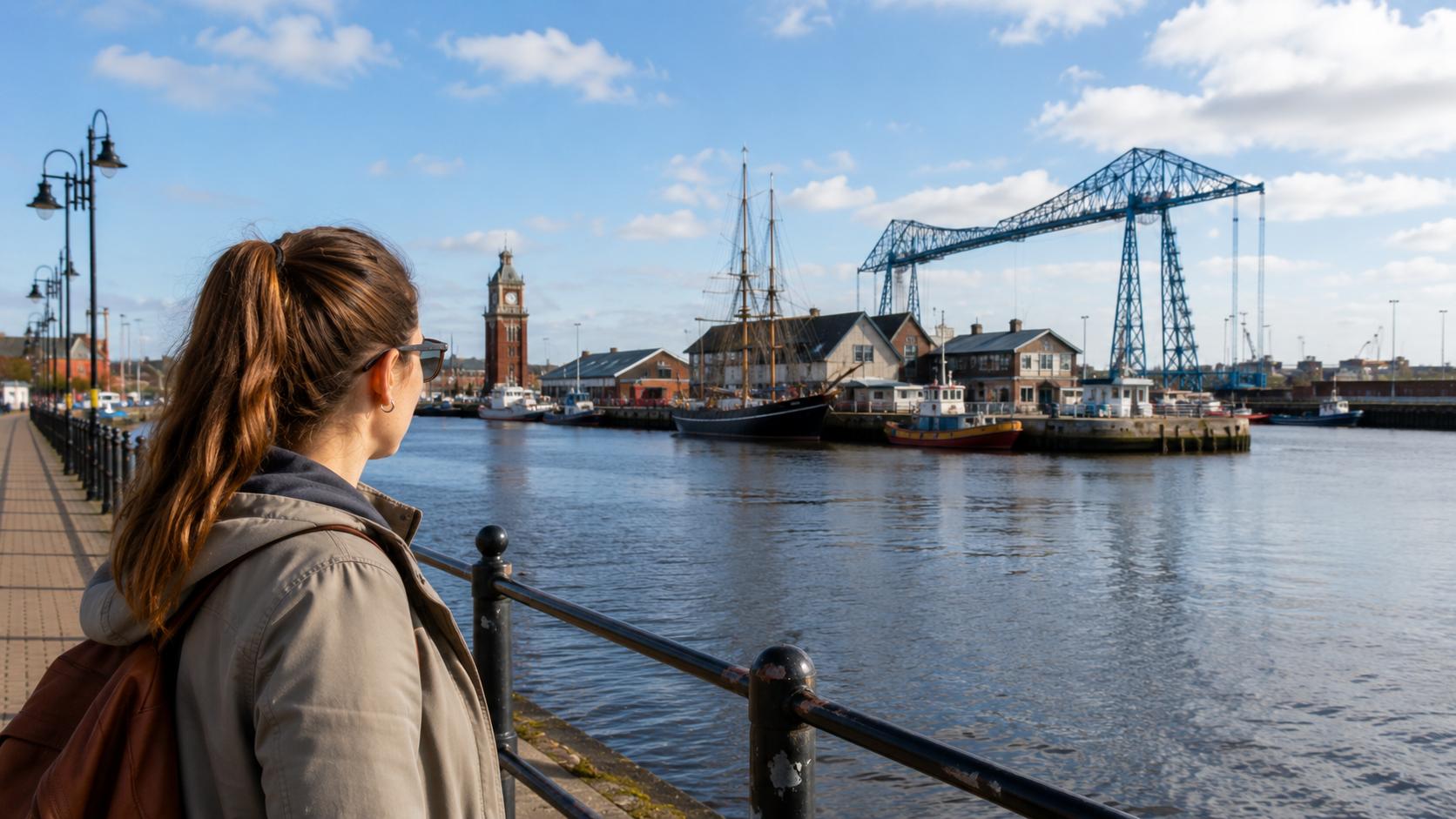
The coast is more accessible than people assume. A number of North East beaches have surfaced promenades, accessible parking and, at some locations, beach wheelchairs available to borrow, which allow access onto sand that is otherwise impossible. Availability varies and usually requires booking ahead.
Museums and galleries in Newcastle and Gateshead generally perform well, being modern or substantially refurbished buildings with lifts, level access and good facilities.
Cards, passes and concessions.
Many attractions offer free or discounted entry for a companion or carer accompanying a disabled visitor, though the policies and the evidence required differ.
The Access Card translates a person's needs into symbols recognised by venues, avoiding the need to explain or produce medical evidence repeatedly.
A National Key Scheme key, sometimes called a RADAR key, opens locked accessible toilets across the country and is worth having.
Blue Badge holders should check the specific parking arrangements at each venue, since concessions and locations vary and some sites have limited accessible bays that fill early.
Hidden disabilities and sensory needs.
Access is not only about wheelchairs. Attractions increasingly offer quiet hours or relaxed sessions with reduced noise, dimmed lighting and fewer visitors, which make a visit possible for autistic people and for anyone who finds crowded sensory environments overwhelming.
Visual stories showing exactly what to expect, step by step with photographs, help enormously with preparation and anxiety.
The sunflower lanyard is widely recognised across the region's attractions, transport and shops as an indication that someone may need additional time or support.
Getting there.
The Metro is largely step-free at stations with lifts, though not every station has them, and the network publishes accessibility information station by station.
Buses in the region are low-floor with wheelchair spaces, and drivers are required to assist with ramps.
Community transport schemes and dial-a-ride services fill the gaps for people who cannot use conventional public transport, and are considerably underused.
Ask before you go.
The most reliable approach remains a phone call. Staff at a well-run venue will answer specific questions honestly, including telling you when something will not work for you, which saves a wasted journey.
Feedback matters too. Venues that hear from visitors about what worked and what did not are far more likely to improve than those that hear nothing.
Share your thoughts.
Which North East attraction have you found does access genuinely well, and which has let you down?
Travel News
Accessible Days Out: The North East Attractions That Get It Right
Advertisement



Comments (0)
You must be logged in to post comments.
Don't have an account? Register here
No comments yet. Be the first to share your thoughts!