
A diagnosis of dementia does not, by itself, stop someone using a bus, doing their shopping or meeting friends in a café.
What frequently stops them is the accumulated difficulty of doing those things in environments that were not designed with them in mind, and the discomfort of encountering people who do not know how to respond.
The dementia-friendly communities movement addresses exactly that. Here is what it involves.
The scale explains the interest.
Dementia is not a single condition but a set of symptoms caused by several diseases affecting the brain, of which Alzheimer's disease is the most common.
The number of people living with dementia in the UK runs to several hundred thousand and is projected to rise substantially as the population ages.
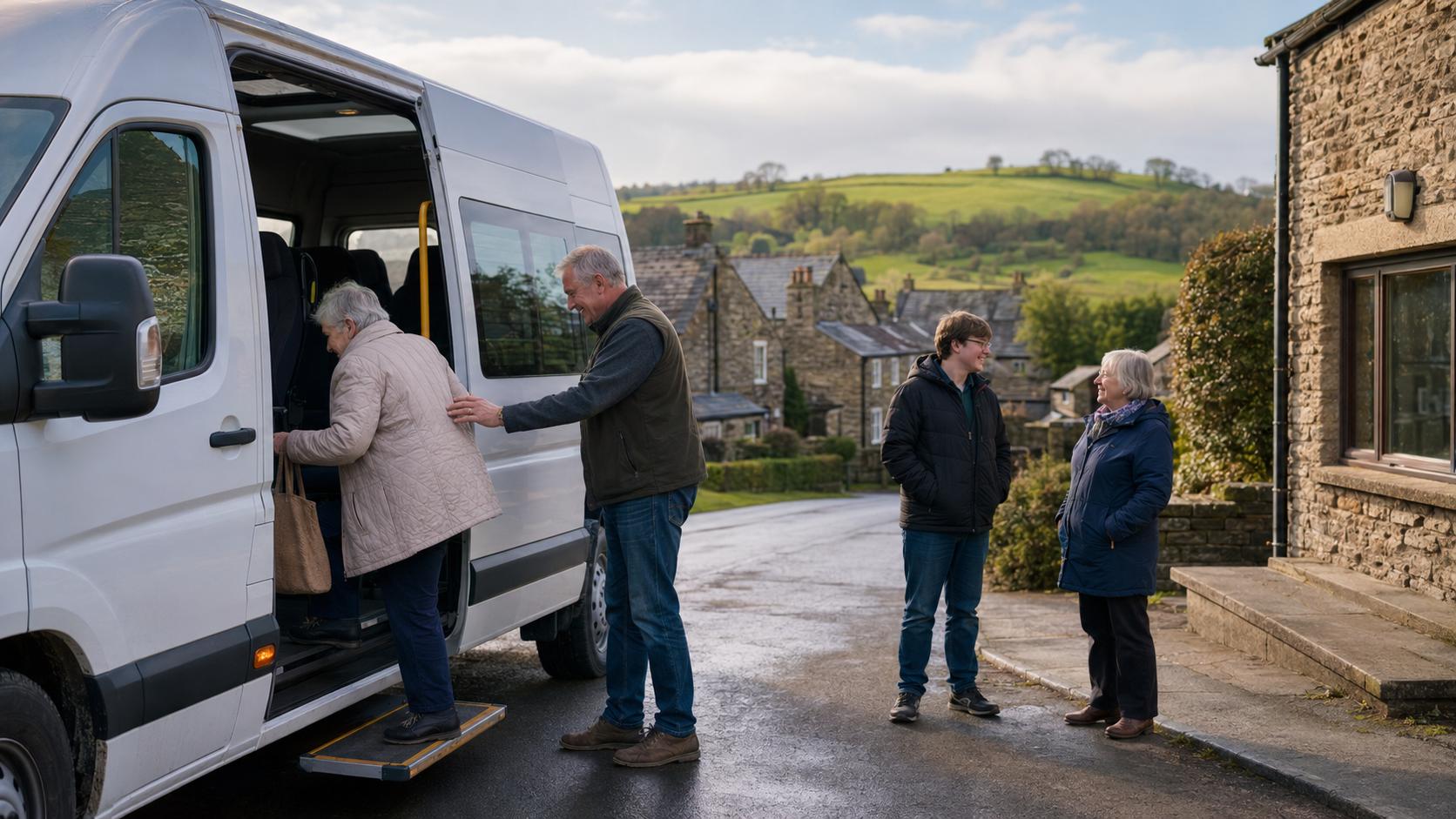
The majority live in their own homes rather than in care settings, which means most of the practical experience of dementia happens in ordinary community settings: shops, banks, buses, libraries and GP surgeries.
The idea is about the environment, not the person.
The central premise is that difficulty arises from the interaction between a person's symptoms and their surroundings, rather than from the condition alone.
Someone who becomes confused at a till because the card machine gives no clear prompt is experiencing a design problem as much as a memory problem.
Adjusting the environment therefore extends the period during which someone can continue doing things independently, which matters both for the individual and for the people supporting them.
Practical changes are often small.
In shops and public buildings, useful adjustments include clear signage using words as well as symbols, good even lighting without pools of shadow, avoiding highly patterned or shiny flooring which can be misread as steps or water, and contrasting colours to make doors, handrails and toilet seats visible.
Reducing background noise helps considerably, as does having somewhere to sit.
For staff, the changes are behavioural: giving people time, speaking clearly without raising the voice, offering to help without taking over, and not correcting or arguing about factual errors.
Dementia Friends is the entry point.
The Alzheimer's Society runs the Dementia Friends programme, a short information session explaining what dementia is and what small actions help.
Sessions last around an hour and are run both online and in person by trained volunteer champions. Millions of people across the country have taken part.
It is not a qualification and does not make anyone an expert. Its purpose is to replace uncertainty with a basic understanding, which is usually enough to change how someone behaves in a shop or on a bus.
Communities can seek recognition.
The Alzheimer's Society operates a recognition process for communities working towards being dementia-friendly, involving a local action group, an assessment of what is being done and a commitment to continue.
Participating organisations typically include the local authority, transport operators, retailers, banks, faith groups, libraries, emergency services and health providers.
Recognition is not an endpoint. The value lies in the coordination it produces between organisations that would otherwise act separately.
Memory cafés and activity groups.
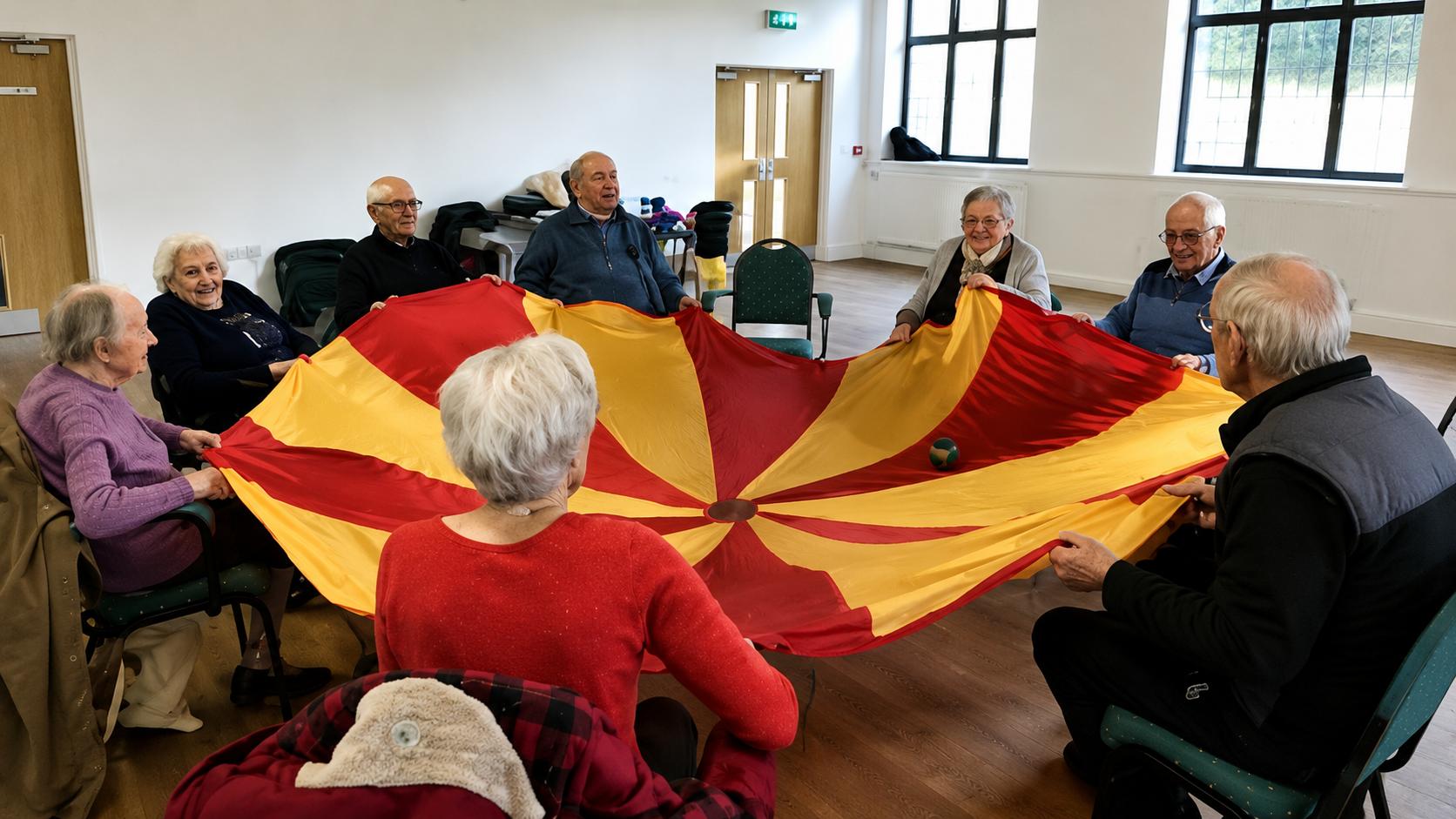
Memory cafés provide regular, informal sessions where people with dementia and those supporting them can meet others in the same position.
They typically combine refreshments and conversation with an activity, and crucially they are open to both the person with dementia and their carer together, which removes a common barrier.
Singing groups have a particularly strong following, and there is genuine evidence that musical memory is often preserved when other memory is affected. Singing for the Brain and similar programmes operate in many areas.
Other activities include reminiscence sessions using objects and photographs, walking groups, gardening projects and sports-based reminiscence run by football clubs.
Support after diagnosis matters.
Post-diagnostic support varies considerably by area, and families frequently report feeling abandoned after the appointment at which the diagnosis is given.
Dementia advisers and admiral nurses, where available, provide continuing support to the person and family, covering practical, emotional and legal matters.
Practical steps worth addressing early include lasting powers of attorney for both property and finances and for health and welfare, benefits checks including Attendance Allowance, and a carer's assessment for whoever is providing support.
These are considerably easier to arrange while the person has capacity to be involved in decisions.
Carers need support too.
Family members providing care report high levels of exhaustion, isolation and their own ill health.
Carers' centres, dementia charities and local authority services all provide support, and a carer's assessment is a legal entitlement regardless of the level of care given.
Respite arrangements exist but are unevenly available, and it is worth asking early rather than at the point of crisis.
The North East picture.
Dementia-friendly initiatives operate across the region, involving local authorities, businesses and community organisations, with memory cafés and activity groups in most areas.
Alzheimer's Society and Age UK both operate locally and can advise on what is available in a specific area.
For anyone unsure where to begin, a GP practice or the Alzheimer's Society helpline is the usual starting point, and both can direct people to local provision.
If you are worried about your own memory, or someone else's, an appointment with a GP is the right first step. Not all memory problems are dementia, and some causes are treatable.
Share your thoughts.
What would make your local high street easier to navigate for someone with dementia?
Community News
Dementia-Friendly Communities Explained
Small changes to how shops, transport and public buildings operate can determine whether someone with dementia keeps going out or stops entirely.
Advertisement




Comments (0)
You must be logged in to post comments.
Don't have an account? Register here
No comments yet. Be the first to share your thoughts!