
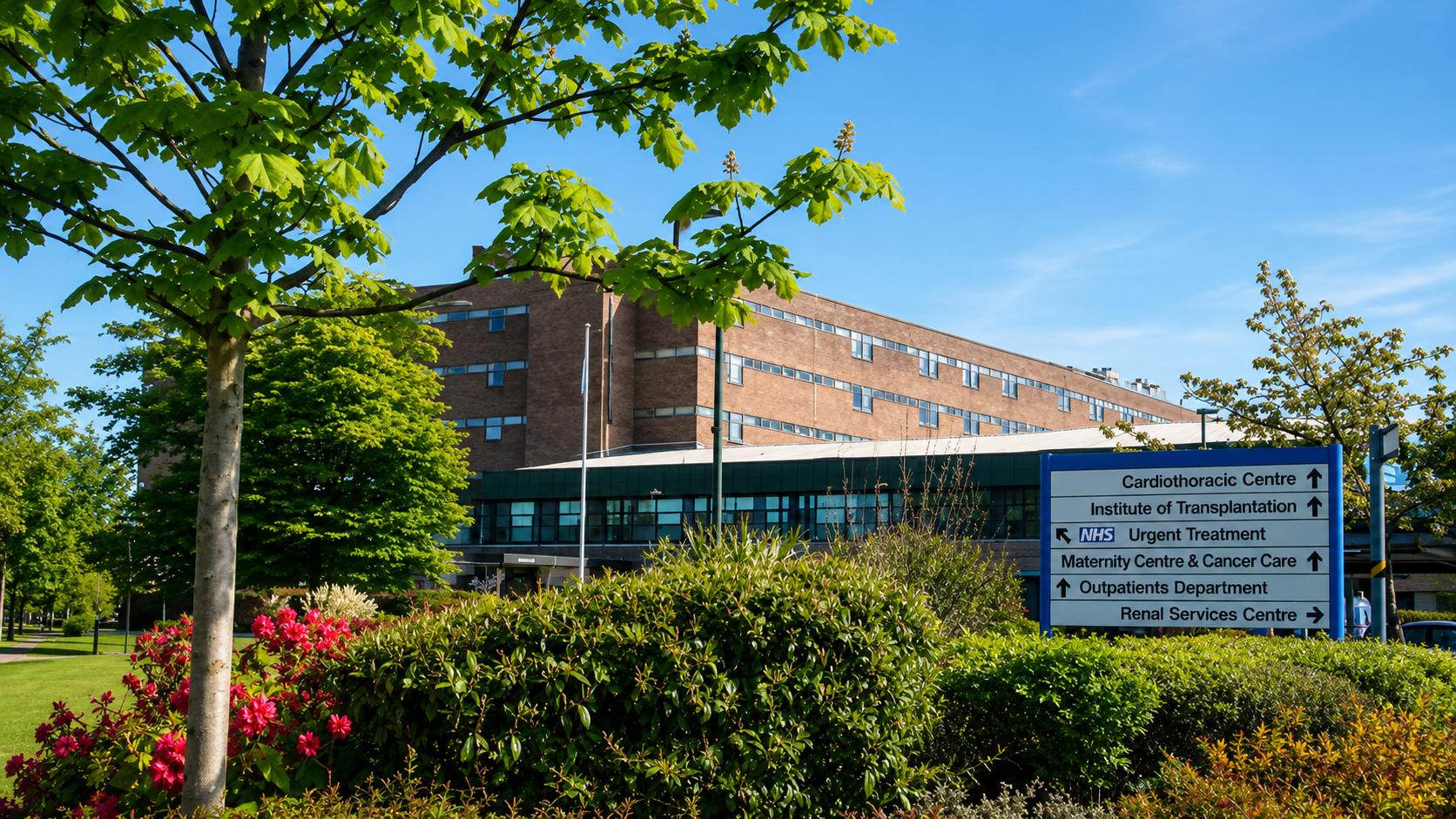
Patients travel to Newcastle from across the United Kingdom for operations that only a handful of hospitals in the country can perform. The Freeman Hospital in High Heaton is one of the largest transplant centres in Europe, and its reputation was built over four decades in an area of medicine where reputations are earned patient by patient.
Most people in Newcastle know the Freeman as the hospital up the road from Jesmond Dene. Rather fewer realise that the building contains a national resource, or that a child from Cornwall with a failing heart may well end up in a ward a few minutes from the Metro.
The heart and lung programme built the reputation.
Cardiothoracic transplantation began at the Freeman in the mid-1980s, at a point when heart transplantation in Britain was still new and performed at very few centres. The programme grew steadily, taking on progressively more complex work, and became one of the small number of designated centres for heart and lung transplantation in the country.
Paediatric cardiac transplantation is a particular strength, and the Freeman is one of only a very small number of centres in the UK performing heart transplants in children. That work involves problems adult surgery does not face, including the extreme scarcity of suitably sized donor organs and the need to manage a transplanted heart across a lifetime of growth.
The unit has been associated with pioneering work in techniques designed to widen the donor pool, including approaches to using organs from donors whose death was determined by circulatory rather than neurological criteria, and the use of perfusion technology to keep organs viable and assess their function outside the body before implantation.
It is not only hearts and lungs.
The Freeman performs kidney, liver and pancreas transplantation alongside cardiothoracic work, and the Institute of Transplantation, opened in 2012, brought the surgical, medical, laboratory and support functions together in a purpose-built facility.
Bringing those specialties into one place matters more than it sounds. Transplantation depends on tissue typing laboratories, immunology, intensive care, specialist pharmacy, dietetics, physiotherapy and psychology as much as on surgeons, and co-locating them shortens the distance between a problem and the person who can solve it.
Living donation forms a significant part of the kidney programme, with donors giving a kidney to a relative, friend or, in the case of non-directed altruistic donation, to a stranger on the waiting list. Paired and pooled donation schemes allow incompatible pairs to be matched with others in the same position.
The work does not end at the operation.
A transplant is frequently described as a treatment rather than a cure, and that framing matters. Recipients take immunosuppressant medication for life, balancing the risk of rejection against the risk of infection and the long-term side effects of the drugs themselves.
Follow-up is lifelong and intensive, particularly in the first year. Patients attend regular clinics, undergo biopsies and imaging, and must be alert to signs of rejection that can be subtle. Adherence to medication is critical and is one of the strongest predictors of long-term outcome.
For children who receive transplants, the transition to adult services in the late teens is a recognised risk point, and specialist transition programmes exist precisely because outcomes historically worsened around that age.
The limiting factor is not surgical skill.
The constraint on transplantation in Britain has never been the number of surgeons or theatres. It is the number of organs.
Hundreds of people die each year in the UK waiting for a transplant that does not arrive in time, and thousands are on the active waiting list at any point. The gap between need and supply is the single defining fact of the specialty.
That is why the change to an opt-out consent system across the UK nations mattered, and why families discussing their wishes matters even more, since families are still approached and their view carries enormous weight in practice.
Not every death produces organs suitable for donation. The circumstances in which donation is possible are relatively narrow, which is why the pool is small and why each potential donor represents a significant opportunity.
The people around the patient.
Transplant coordinators, specialist nurses in organ donation, and the recipient coordination teams do work that is invisible from the outside and is central to whether any of this functions.
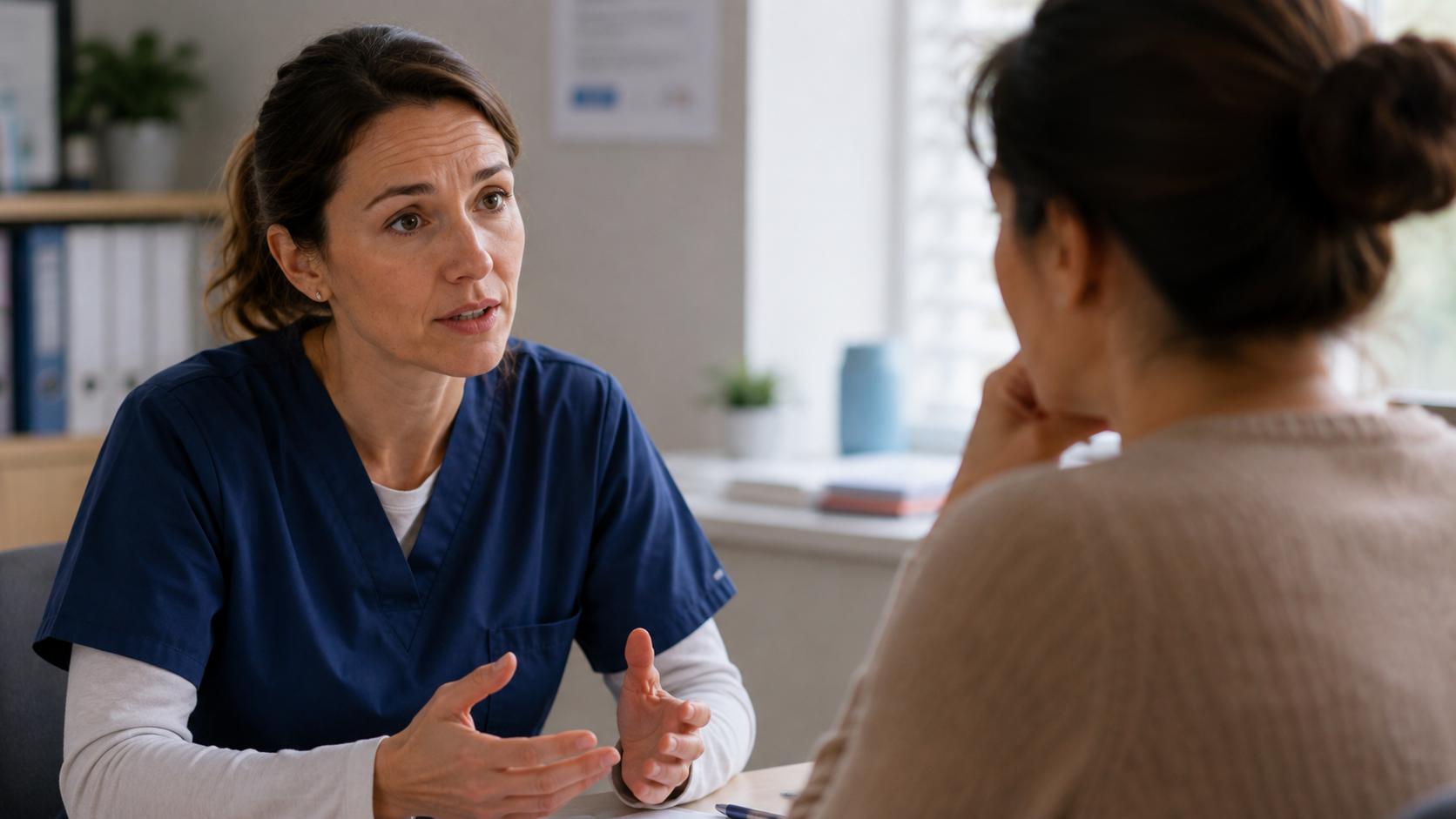
Specialist nurses in organ donation support families at the worst moment of their lives while raising a question those families may never have considered. Recipient coordinators manage the call that brings a patient in, sometimes in the middle of the night, sometimes to be told after arrival that the organ is not usable after all, which is a devastating and not uncommon experience known as a dry run.
Charities linked to the unit provide accommodation for families travelling long distances, which for a family from the south coast with a child in intensive care is not a peripheral service.
What Newcastle gets from it.
A major transplant centre anchors an entire clinical and research ecosystem. It supports specialist training, attracts researchers, generates clinical trials and draws expertise into other departments that share the same critical care, imaging and laboratory infrastructure.
For patients in the North East it means that some of the most complex care available in Britain is delivered locally rather than requiring a journey to London.
If you want to record your organ donation decision, you can do so on the NHS Organ Donor Register, and telling your family is the step that makes the most practical difference.
Share your thoughts.
Have you told your family what you would want to happen regarding organ donation?
Health News
How the Freeman Became One of Britain's Great Transplant Centres
Advertisement



Comments (0)
You must be logged in to post comments.
Don't have an account? Register here
No comments yet. Be the first to share your thoughts!