
Health officials across the UK are once again warning parents to be vigilant as measles cases continue to rise, particularly among young children. Once considered largely under control thanks to widespread vaccination programmes, the highly contagious disease has made an unwelcome comeback in recent years, prompting renewed concern among doctors, schools and public health experts.
The increase is not limited to one region. Cases have been reported across England, with outbreaks occurring in multiple areas and health authorities warning that further infections are likely if vaccination rates do not improve. While Newcastle and the wider North East have not experienced the same level of infections as some other parts of the country, experts stress that no region is immune when vaccination coverage falls below recommended levels.
For many parents, measles is a disease they have never encountered firsthand. However, understanding the symptoms, how the virus spreads and the importance of vaccination could prove crucial as cases continue to rise.
Why Measles Is Making Headlines Again.
Measles was once one of the most common childhood illnesses in the UK. Before vaccination became routine, almost every child would catch the disease at some point.
Although vaccination dramatically reduced infection rates, recent years have seen a worrying resurgence.
According to UK Health Security Agency data, England recorded 2,911 laboratory-confirmed measles cases during 2024, the highest annual total seen since 2012. In 2025, there were 959 confirmed cases, while 736 cases had already been recorded during the first half of 2026.
Health officials recently confirmed that two children in England died from measles-related complications in 2026, highlighting that this is far more than a harmless childhood illness.
Medical professionals say declining vaccination rates are one of the main reasons behind the increase.
What Exactly Is Measles.
Measles is a highly infectious viral illness that spreads easily from person to person.
The virus infects the respiratory system before spreading throughout the body. Symptoms typically develop around seven to fourteen days after exposure.
While many children recover fully, measles can cause serious complications including pneumonia, severe dehydration, ear infections and inflammation of the brain known as encephalitis.
Young children, pregnant women and individuals with weakened immune systems are generally considered most vulnerable to complications.
The disease is so contagious that if one infected person enters a room of unvaccinated people, the vast majority are likely to become infected.
Early Symptoms Parents Should Watch For.
One reason measles spreads so effectively is that the earliest symptoms often resemble a common cold.
Parents should look out for:
High temperature or fever.
Runny nose.
Persistent cough.
Red or watery eyes.
Tiredness and general lethargy.
Loss of appetite.
These symptoms can appear several days before the characteristic measles rash develops.
A particularly important warning sign is the appearance of tiny white spots inside the mouth, often referred to as Koplik spots. These usually appear before the rash and can help doctors identify the illness earlier.
Because early symptoms mimic other viral infections, many parents may not initially realise their child has measles.
The Measles Rash.
The rash is often the symptom most people associate with measles.
It usually begins on the face and behind the ears before spreading downwards across the neck, chest, arms and legs.
The rash typically appears as flat red or brownish spots that may merge together as the illness progresses.
Unlike some childhood rashes, measles often leaves children feeling particularly unwell. High fevers can continue even after the rash develops.
Parents are advised to contact healthcare professionals if they suspect measles, particularly because infected children can spread the virus to others before the rash appears.
How Contagious Is Measles.
Measles is widely regarded as one of the most contagious diseases known to medicine.
The virus spreads through tiny droplets released when an infected person coughs, sneezes or even breathes.
These droplets can remain in the air or on surfaces for extended periods, allowing infection to spread rapidly through schools, nurseries and households.
Health experts estimate that one infected person can potentially spread measles to 12 to 18 unvaccinated individuals in susceptible environments.
This is one reason outbreaks can develop so quickly when vaccination rates fall.
According to UKHSA data, the majority of recent cases have occurred among unvaccinated children aged ten and under.
Why Vaccination Matters.
The MMR vaccine protects against measles, mumps and rubella.
Two doses provide extremely high levels of protection against measles and have been used safely for decades.
Public health experts often point to the remarkable impact vaccination has had since its introduction. UKHSA estimates that at least 20 million measles cases and approximately 4,500 deaths have been prevented in the UK since measles vaccination began in 1968.
The World Health Organization recommends vaccination coverage of around 95 percent to maintain herd immunity and reduce the risk of outbreaks.
Unfortunately, current coverage remains below that target in many areas.
Recent reports indicate that MMR uptake among five-year-olds in England is approximately 91.8 percent, the lowest level recorded in more than a decade.
While this may sound high, even relatively small declines in vaccination coverage can create opportunities for outbreaks to occur.
What Newcastle Parents Should Know.
The North East has not been at the centre of recent outbreaks, but cases have still been recorded in the region.
Government surveillance data showed confirmed measles cases in the North East during both 2025 and 2026. Although numbers were lower than those seen in London and some other regions, health experts stress that the virus can spread quickly when introduced into communities with pockets of lower vaccination coverage.
Families travelling abroad during school holidays should also be aware that measles activity has increased across parts of Europe.
Health officials have repeatedly warned that international travel can contribute to imported infections returning to the UK.
For Newcastle families planning summer trips, ensuring vaccinations are up to date may be one of the simplest ways to reduce risk.
Why Children Are Most Affected.
Recent UK data shows that children account for the majority of infections.
In 2025, around two-thirds of confirmed cases occurred among children aged ten years and under. Similar patterns have continued during 2026.
This trend is partly because children are more likely to spend extended periods together in schools and nurseries where contagious illnesses spread easily.
Young children who have not yet received both vaccine doses are also more vulnerable.
Health professionals emphasise that catching up on missed vaccinations remains possible at any age.
Common Misconceptions About Measles.
One of the biggest challenges facing public health teams is misinformation.
Some parents mistakenly believe measles is simply a mild childhood illness that everyone recovers from quickly.
While many children do recover, complications can be severe.
Pneumonia remains one of the most common serious complications. Brain inflammation, hearing loss and long-term neurological problems can also occur in rare cases.
Recent deaths linked to measles serve as a reminder that the disease still carries genuine risks.
Medical professionals continue to stress that prevention remains far safer than treatment.
What To Do If You Suspect Measles.
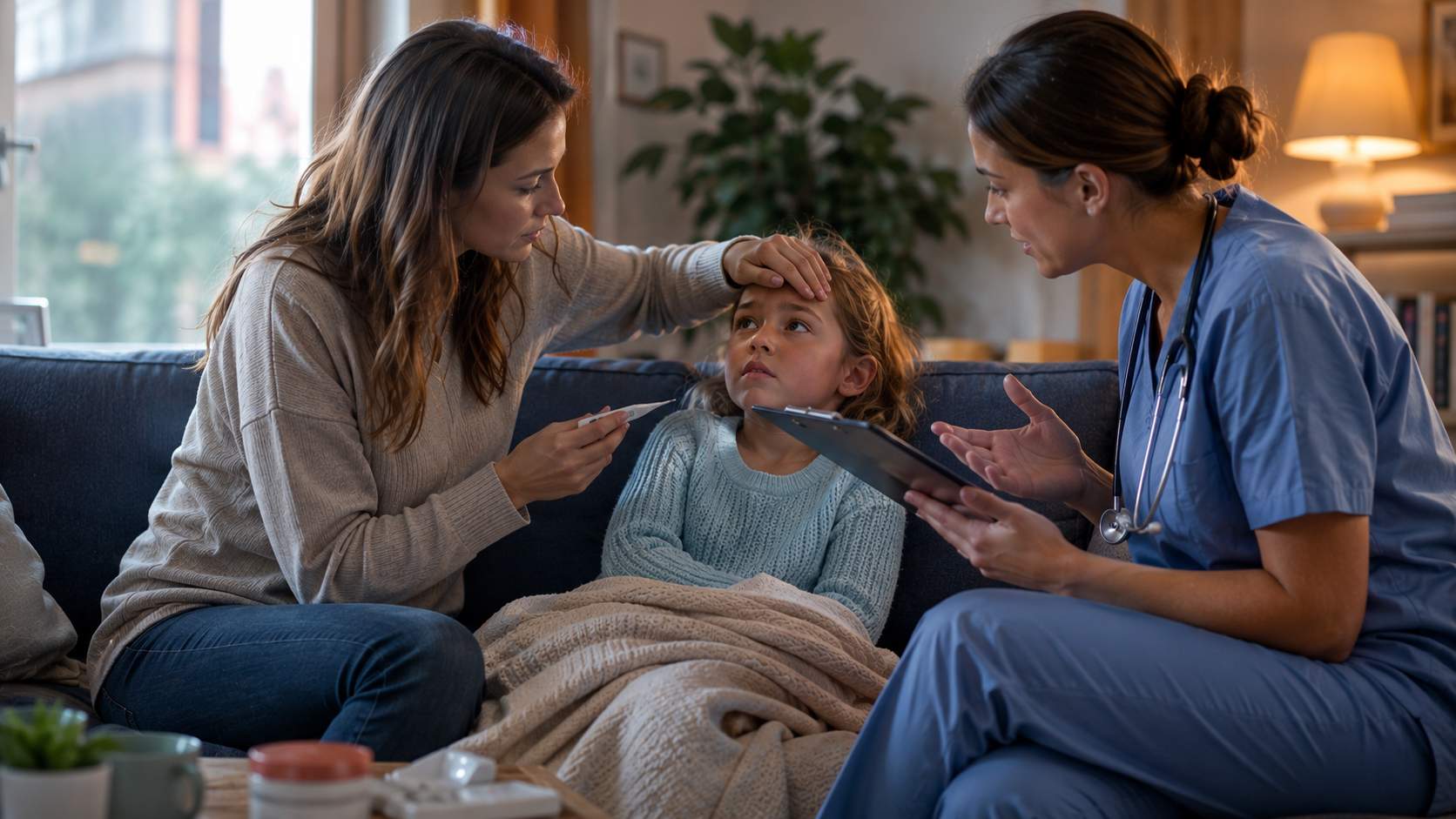
Parents who believe their child may have measles should avoid taking them directly into busy waiting rooms or healthcare settings without first seeking advice.
Because the virus spreads so easily, healthcare providers often recommend contacting a GP surgery or NHS service beforehand to discuss symptoms.
Children with suspected measles should generally stay away from school, nursery and group activities until they are no longer infectious.
Keeping infected children at home helps protect babies, vulnerable individuals and those who cannot be vaccinated for medical reasons.
The Wider Public Health Challenge.
The rise in measles cases is not solely a medical issue. It also highlights broader challenges surrounding vaccine confidence, healthcare access and public awareness.
Health experts continue to encourage parents to check vaccination records and arrange catch-up appointments where necessary.
Many younger parents have never witnessed a major measles outbreak, which can make the risks feel distant or abstract. Yet recent figures demonstrate that the disease remains capable of spreading rapidly when conditions allow.
For Newcastle and the wider North East, maintaining strong vaccination uptake will be key to preventing larger outbreaks in future years.
As cases continue to circulate across England and Europe, awareness, early recognition of symptoms and timely vaccination remain the most effective tools available to protect children and communities alike.
Join The Conversation.
Have you checked your child's MMR vaccination status recently?
Health News
Measles Outbreak Fears Grow As Cases Rise Across England
Advertisement



Comments (0)
You must be logged in to post comments.
Don't have an account? Register here
No comments yet. Be the first to share your thoughts!