
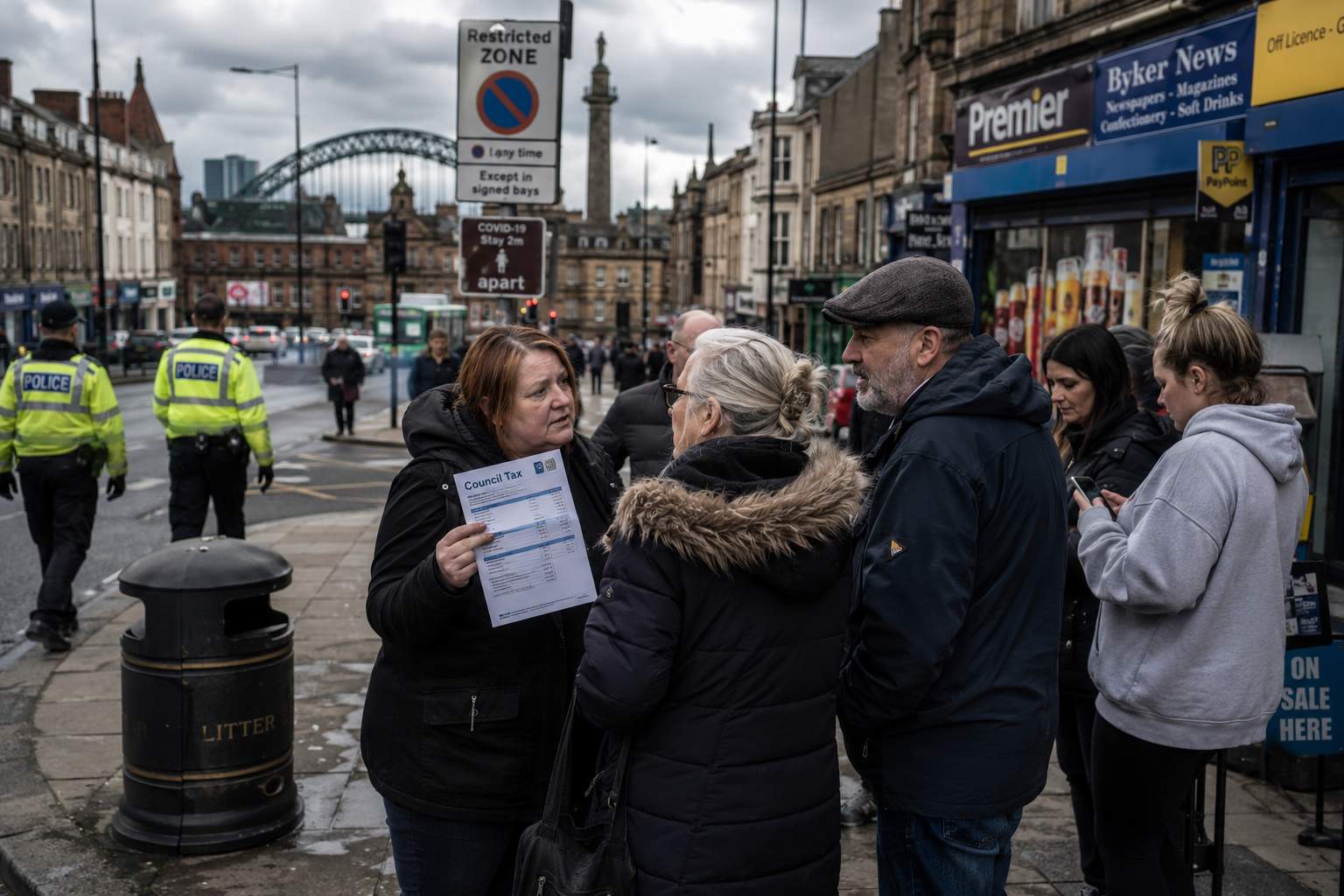
Residents across Newcastle are paying more council tax this year following a 4.99% increase approved by the Labour and Green administration at Newcastle City Council. The rise, which came into effect in April, represents the maximum increase councils can impose without holding a local referendum.
For many households already dealing with rising energy bills, mortgage costs and everyday expenses, the question is simple. Are higher council tax bills actually delivering better services for Newcastle neighbourhoods?
The answer depends on who you ask. While council leaders argue the increase is essential to protect frontline services and support vulnerable residents, many taxpayers say they are struggling to see visible improvements in the areas that affect daily life.
Why Has Council Tax Increased?.
Newcastle City Council approved a 4.99% increase in council tax, made up of a 2.99% rise in general council tax and a further 2% Adult Social Care Precept. According to council documents, the increase is expected to help address growing financial pressures and rising demand for services. The council has also warned that it faces significant budget challenges over the coming years and must continue finding millions of pounds in savings.
For a typical Band D property, council tax bills increased by around £100 annually. The council says a substantial proportion of this funding helps support adult social care services, which continue to experience increasing demand as the population ages.
Newcastle's council tax rates are now above the national average for England, adding further pressure on household budgets during an ongoing cost of living crisis.
What Services Are Residents Paying For?.
Council tax contributes towards a wide range of local services including:
Waste collection and recycling.
Road maintenance and street cleaning.
Libraries and community facilities.
Adult social care.
Children's services.
Environmental enforcement.
Local planning services.
Contributions towards policing and fire services.
While many of these services operate behind the scenes, residents often judge value for money based on what they can see in their own communities.
Potholes, litter, anti-social behaviour, graffiti and the condition of local parks frequently become the yardstick by which council performance is measured.
Crime Remains a Major Concern for Residents.
One of the most common concerns raised by Newcastle residents continues to be crime and anti-social behaviour.
According to national crime data, England and Wales recorded millions of offences during the past year, with violence against the person, theft and criminal damage remaining among the most commonly reported crimes.
In Newcastle, residents regularly raise concerns about shoplifting, anti-social behaviour, vandalism and public disorder in both city centre locations and residential neighbourhoods.
While council tax helps fund services provided by Northumbria Police through the police precept, policing budgets remain under pressure nationally. Residents often expect safer streets when taxes increase, yet many communities continue to report concerns about visible crime and anti-social behaviour.
The challenge for local authorities is that crime reduction depends on multiple agencies working together, including councils, police forces, housing providers and community organisations.
Are Streets Cleaner Than They Were Five Years Ago?.
Maintaining neighbourhoods remains one of the most visible responsibilities of local government.
Street cleaning, litter collection and environmental enforcement consistently rank among the issues residents care about most. Council consultation exercises have repeatedly shown that maintaining neighbourhoods is one of the services people are least willing to see cut.
However, councils across the country have faced difficult choices over the past decade as budgets have tightened.
Some Newcastle residents report cleaner public spaces and improved waste collection services, while others point to overflowing bins, fly-tipping incidents and litter hotspots that continue to affect parts of the city.
The reality is often uneven. Neighbourhood experiences can vary significantly depending on location, population density and local reporting rates.
The Growing Cost of Social Care.
One area where much of the additional council tax revenue is directed is adult social care.
Social care spending now consumes a significant proportion of local authority budgets across England. Rising life expectancy, increasing care needs and workforce pressures have all contributed to growing costs.
The 2% Adult Social Care Precept included within Newcastle's council tax increase is specifically intended to help fund support services for older and vulnerable residents. Council documents indicate that the precept will contribute millions of pounds towards reducing funding pressures within social care services.
While these services may not always be visible to the average resident, they represent one of the largest financial commitments facing local government.
Why Councils Across England Are Raising Taxes.
Newcastle is far from alone in increasing council tax.
Across England, nearly nine in ten upper-tier councils implemented the maximum 4.99% increase permitted without a referendum during the most recent financial year. Several authorities were even granted permission to raise bills beyond the normal cap because of severe financial pressures.
Council leaders nationally argue that increasing demand for social care, inflation and rising operational costs have left them with little choice.
Critics, however, argue that residents are increasingly being asked to pay more while local services remain stretched.
What Do Residents Want Most?.
When asked about priorities, Newcastle residents consistently focus on practical issues that affect daily life.
These include:
Cleaner streets.
Faster pothole repairs.
Better road maintenance.
More visible policing.
Reduced anti-social behaviour.
Improved parks and green spaces.
Reliable waste collection.
Many residents are less interested in budget figures and financial reports than they are in seeing tangible improvements within their own neighbourhoods.
Ultimately, perceptions of value for money are often shaped by what people experience on their street rather than what appears in council accounts.
The Debate Is Unlikely To Disappear.
The council argues that the latest increase is necessary to protect frontline services while maintaining financial stability. Yet many residents facing higher bills will continue to ask whether they are receiving enough in return.
With Newcastle households now paying hundreds of pounds each month in council tax, expectations are understandably high. Residents want safer communities, cleaner streets, reliable services and visible improvements to the places they live.
As financial pressures continue to affect both councils and taxpayers, the debate over council tax and public services is likely to remain one of the most important local political issues facing Newcastle in the years ahead.
Do you think Newcastle's council tax increase is delivering better local services in your area?
Political News
The Real Impact of Newcastle's Latest Council Tax Increase
Advertisement


Comments (0)
You must be logged in to post comments.
Don't have an account? Register here
No comments yet. Be the first to share your thoughts!