
Searching riverbanks for long-lost relics might sound like something from an adventure film, but mudlarking has become one of Britain's fastest-growing heritage hobbies. While it is most closely associated with London's River Thames, growing interest in local history has sparked curiosity about whether waterways in Newcastle and across the North East could also hold forgotten treasures.
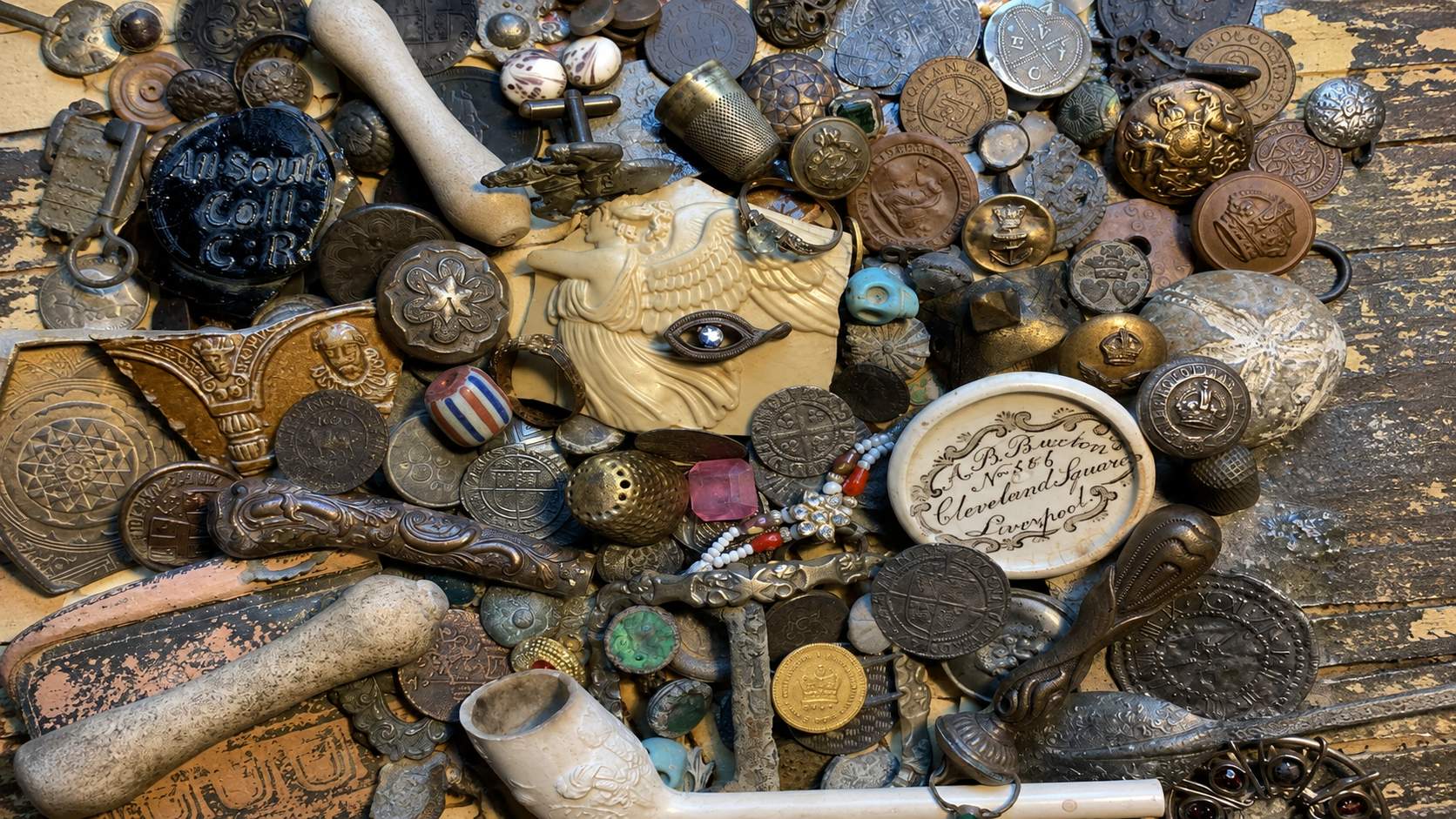
Rather than searching for valuables, modern mudlarkers are driven by the excitement of uncovering everyday objects that reveal how people once lived. Clay pipes, pottery fragments, Victorian bottles, coins and old tools are among the discoveries that have helped historians piece together centuries of British life.
From poverty to preservation.
The term "mudlark" dates back to the late 18th and early 19th centuries. Originally, it referred to some of London's poorest residents who searched the exposed Thames foreshore for coal, rope, metal and anything else they could sell to survive. It was difficult and often dangerous work carried out in harsh conditions, with children and adults alike braving polluted water and powerful tides.
Today, mudlarking is very different. It has evolved into a carefully regulated hobby that plays an important role in archaeology and heritage. Many discoveries are recorded through the Portable Antiquities Scheme, helping museums and researchers build a clearer picture of Britain's past.
Why has mudlarking become so popular?
Interest in mudlarking has surged over the past few years, helped by social media, bestselling books and television documentaries. During the Covid-19 pandemic, many people discovered the appeal of outdoor hobbies that combined exercise with history, leading to a dramatic increase in demand for permits along the Thames.
The figures underline just how quickly the pastime has grown.
The Port of London Authority now limits Thames foreshore permits to around 4,000 each year, while applications climbed from roughly 200 in 2019 to more than 5,000 by 2022. When applications reopened under a revised system, almost 10,000 people joined the waiting list, demonstrating the hobby's extraordinary popularity.
Another fascinating statistic comes from London Museum, where specialists record approximately 700 significant finds every year and identify around 5,000 objects recovered from the Thames foreshore. These discoveries range from Roman artefacts to Tudor jewellery and Victorian household items.
Could Newcastle have its own mudlarking hotspots?
Although the River Tyne is not regulated in the same way as the Thames, Newcastle's rich maritime and industrial history makes it an intriguing place for anyone interested in local heritage.
The Tyne served Roman settlements, medieval merchants, coal exports and one of the world's most important shipbuilding industries. As tides shift and riverbanks erode, fragments of pottery, bricks, glass and old industrial materials occasionally emerge along sections of the river and nearby coastline.
Anyone considering mudlarking should always check land ownership, avoid protected archaeological sites and report potentially significant discoveries through the Portable Antiquities Scheme. Respecting local heritage helps ensure important finds remain part of the historical record for future generations.
A hobby that brings history to life.
Mudlarking is about far more than searching for objects. Every find has the potential to tell a story about the people who lived, worked and travelled along Britain's rivers hundreds of years ago.
For history enthusiasts across Newcastle and the wider North East, the region's waterways remain a reminder that remarkable stories are often hidden in plain sight. Sometimes, all it takes is a careful look along the riverbank to uncover another small piece of Britain's past.
Share your experiences.
Have you ever discovered an unusual object along the River Tyne?
Community News
What Is Mudlarking? A Beginner's Guide
Advertisement




Comments (0)
You must be logged in to post comments.
Don't have an account? Register here
No comments yet. Be the first to share your thoughts!