
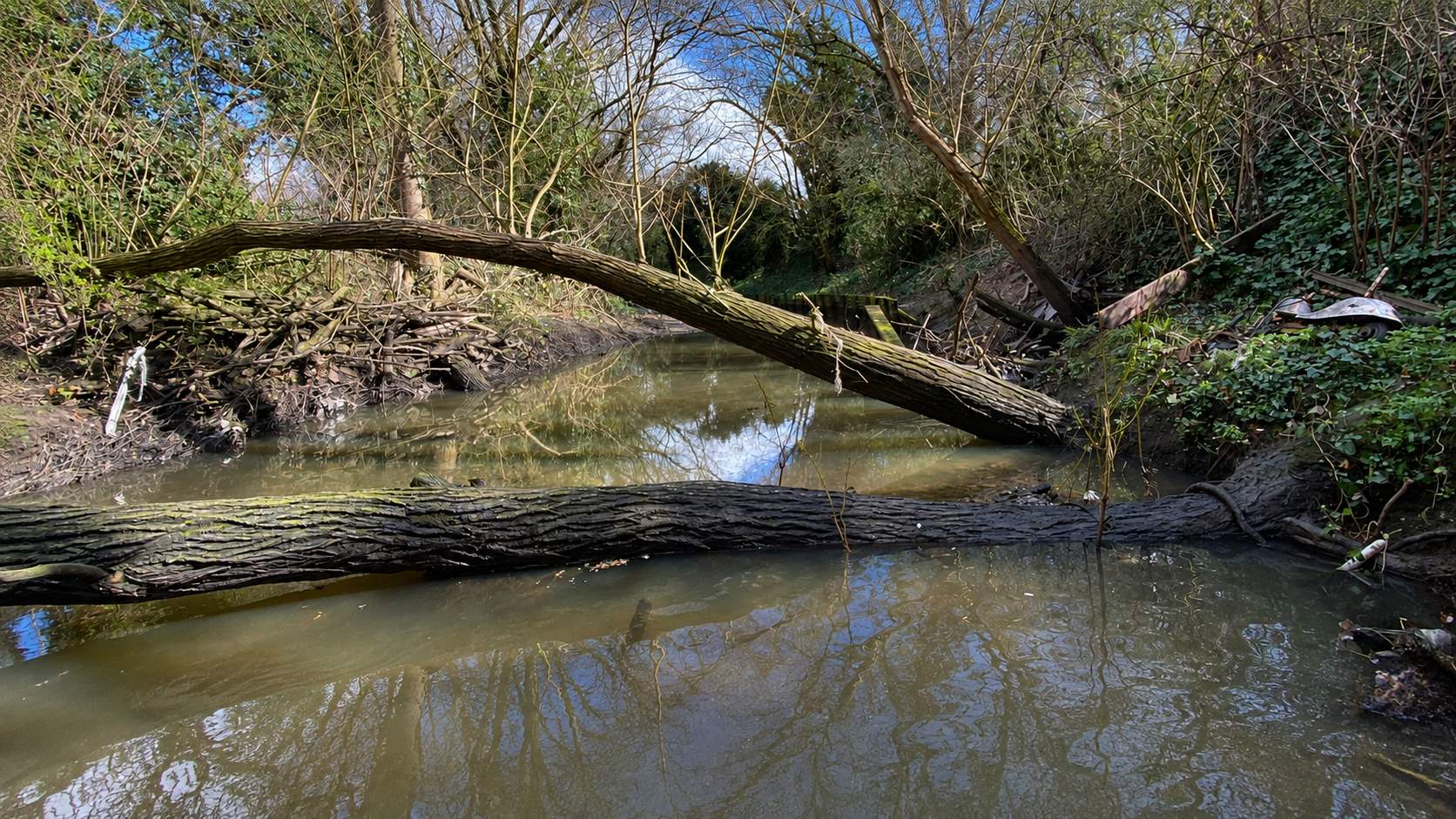
Woodlarking may not be as widely known as mudlarking, but the hobby is quietly attracting history lovers, photographers and outdoor explorers across the UK. While London's Thames remains the spiritual home of mudlarking, enthusiasts in Newcastle and across the North East are increasingly turning their attention to rivers, estuaries and coastlines in search of historic timber with stories to tell.
Unlike mudlarking, which often focuses on pottery, coins and other lost objects, woodlarking centres on discovering naturally preserved pieces of timber that have spent decades, or sometimes centuries, beneath water or buried in riverbanks. Every tide has the potential to uncover fragments of old boats, Victorian dock structures or even driftwood that has developed striking colours and textures after years beneath the surface.
For many people, the appeal lies in combining local history with the thrill of discovering something that has remained hidden for generations.
From survival to hobby.
The roots of woodlarking are closely linked with Britain's maritime history. In busy industrial ports such as Newcastle, Sunderland and South Shields, timber was one of the most valuable construction materials used in shipbuilding, dockyards and riverside industries throughout the 18th and 19th centuries.
Storms, flooding, redevelopment and the passage of time gradually buried countless wooden structures beneath river sediments. Today, changing tides occasionally reveal these forgotten remnants, offering fascinating glimpses into the North East's industrial past.
Modern woodlarking evolved from the wider popularity of mudlarking, which originally described impoverished Londoners collecting items from the Thames to sell for survival during the 18th and 19th centuries. In recent years, social media, YouTube and television documentaries have transformed riverside searching into one of Britain's fastest-growing heritage hobbies.
Why has it become so popular?
Interest accelerated during and after the Covid-19 pandemic, when many people looked for affordable outdoor activities that combined exercise with history. Videos showcasing remarkable finds regularly attract hundreds of thousands of views online, inspiring newcomers to explore their own local waterways.
The popularity has become so significant that the Port of London Authority paused new mudlarking permits after applications surged. Recent reports suggest there are around 4,000 active permits, while waiting lists have exceeded 10,000 people, highlighting just how mainstream the pastime has become.
Although woodlarking itself remains less regulated than licensed mudlarking in London, anyone searching along rivers should always respect private land, avoid disturbing archaeological sites and report historically significant discoveries through the Portable Antiquities Scheme where appropriate.
Could Newcastle become a woodlarking hotspot?
The River Tyne has witnessed Roman occupation, medieval trade, centuries of coal exports and one of the world's greatest shipbuilding industries. That history means there is every possibility that historic timber remains beneath sections of the river, estuary and surrounding coastline.
While large-scale archaeological excavations require permission, experienced walkers often spot old wooden piles, fragments of jetties and weathered beams exposed after exceptionally low tides. Coastal stretches around Tynemouth, South Shields and the mouth of the Tyne can also reveal maritime remains after storms, although safety should always come first.
Unlike treasure hunting, woodlarking is more about preserving stories than finding valuables. A simple piece of oak may once have formed part of a Victorian shipyard or riverside warehouse that helped build the North East into an industrial powerhouse.
More than just collecting.
Woodlarking offers a slower pace than many outdoor hobbies. Every walk can become a lesson in geology, archaeology and local history, encouraging people to look more closely at landscapes they may pass every day.
As interest continues to grow, the hobby also highlights the importance of protecting Britain's rivers and coastlines. Many enthusiasts leave with bags of litter alongside their discoveries, helping preserve these historic environments for future generations while uncovering forgotten links to the region's remarkable past.
Share your thoughts.
Could woodlarking become the North East's next big outdoor hobby?
Community News
What Is Woodlarking? The New Outdoor Trend
Advertisement




Comments (0)
You must be logged in to post comments.
Don't have an account? Register here
No comments yet. Be the first to share your thoughts!