
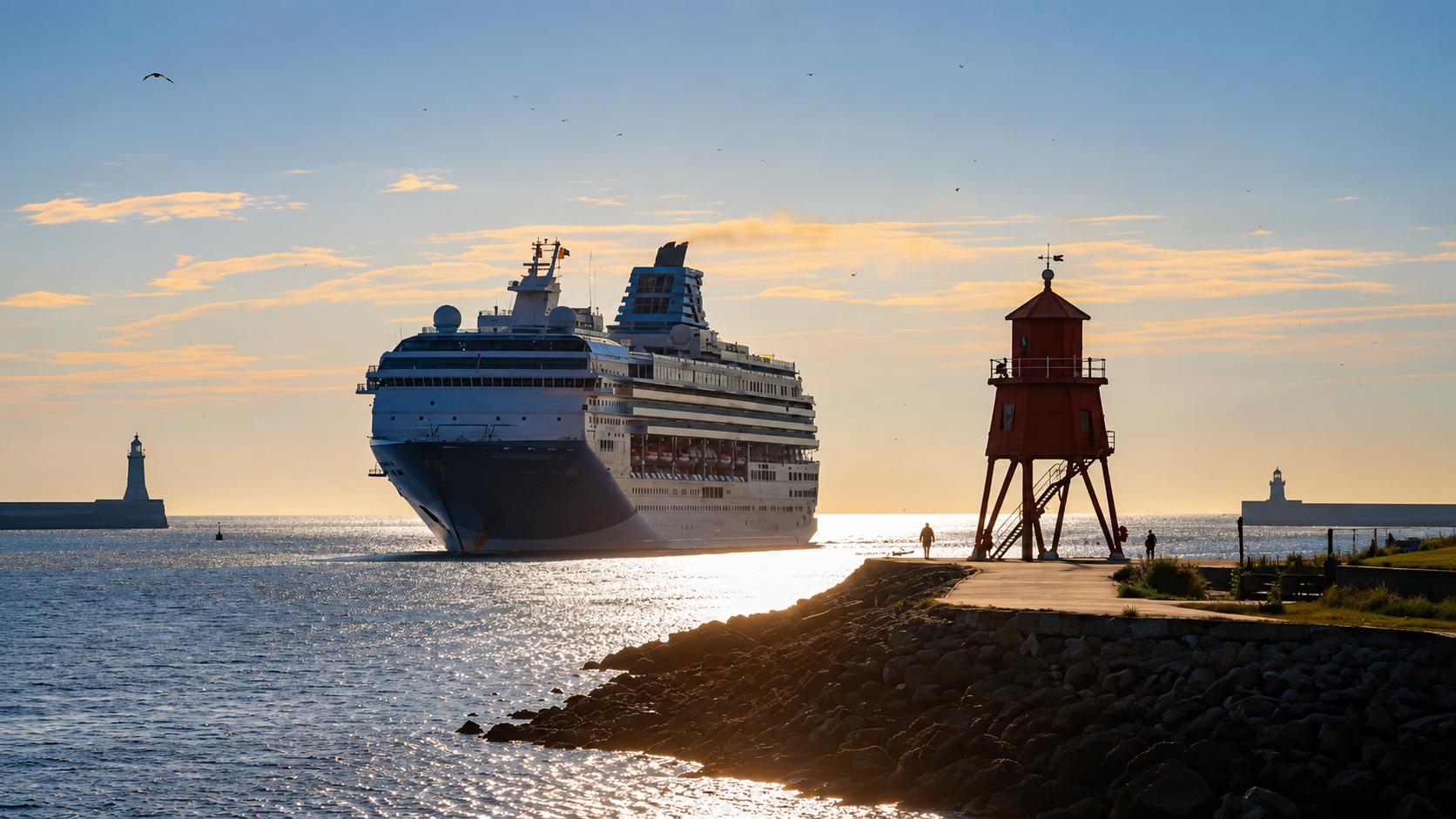
There is something faintly absurd about flying to Southampton to get on a ship. A significant number of North East holidaymakers do exactly that, or drive several hours south, when a passenger terminal sits at North Shields with ships tying up alongside.
The Tyne's cruise business is smaller than the big southern ports and always will be, but it exists, it has grown, and for anyone within an hour of Newcastle the case for using it is straightforward.
Two different things happen on the Tyne.
The distinction that matters when booking is between a turnaround call and a port of call, because they mean entirely different things for a passenger.
A turnaround means the cruise begins and ends at the Tyne. You drive or take a taxi to North Shields, check in, get on, and come home to the same place. This is the arrangement that makes local cruising genuinely attractive.
A port of call means a ship on a longer itinerary stops at the Tyne for a day, disembarking passengers to visit Newcastle, Durham, Alnwick, Hadrian's Wall or the coast. Those calls bring visitors and spending into the region but do not help a local passenger get aboard.
Both happen at the Tyne, and the programme of calls varies year to year with which operators are deploying ships where.
Which itineraries make sense from here.
The geography favours certain routes. Norwegian fjords sailings work particularly well from the Tyne, since the North Sea crossing is short and the fjords are close.
Baltic and northern European itineraries, British Isles circumnavigations, Iceland and the Faroes, and Northern Lights sailings in winter all suit a north-eastern departure point.
What you will not generally find from the Tyne is Mediterranean or Caribbean sailings, which depart from ports considerably better positioned for them. Those still require a flight or a long drive.
Operator presence at the Tyne changes, with different lines scheduling calls and occasional turnarounds in different seasons, so the practical approach is to check current schedules rather than assume last year's pattern holds.
The advantages are real and add up.
No flights is the big one. No baggage weight limits worth worrying about, no liquid restrictions in your suitcase, no airport at either end, and no risk of a delayed flight causing you to miss the ship, which is the single most common way cruise holidays go wrong.
Luggage handling is easier. You can pack properly, put the cases in the car, hand them over at the terminal and next see them outside your cabin.
Getting there is cheap. Parking at the port, a taxi from Newcastle, or a lift from a relative all cost a fraction of connecting flights or a night in a Southampton hotel.
Coming home is the underrated part. Disembarking at eight in the morning and being back in Gosforth by nine is a considerably better end to a holiday than a coach transfer and a delayed flight.
The practical points before you sail.
Check the passport requirements for every country on the itinerary, including validity rules that require a certain period remaining beyond your return date. Cruise itineraries frequently involve countries with different rules, and it is your responsibility rather than the cruise line's.
Understand the entry requirements applying to European destinations, which have been changing, and check the current position close to departure.
Travel insurance is essential and should specifically cover cruising, since standard policies frequently exclude or limit cover for missed port departures, medical repatriation from a ship and cabin confinement.
Onboard medical treatment is charged and is expensive. Take sufficient prescription medication in original packaging with a copy of the prescription, and split it between hand luggage and case.
Check what is included in the fare. Drinks, gratuities, speciality dining, excursions and wifi are frequently extra, and the difference between the headline price and what you actually spend can be considerable.
Excursions and doing it yourself.
Ship excursions are convenient and expensive, and their main advantage is that the ship will wait if the excursion runs late. Independent arrangements are cheaper and give more freedom, but if you are not back before the gangway lifts, the ship sails without you.
For ports where the town is close to the berth, independent exploration is straightforward. For ports where the terminal is industrial and miles from anywhere, an excursion or a shuttle is effectively necessary.
Do the research on each port before you go rather than deciding on the day.
What it means for the region.
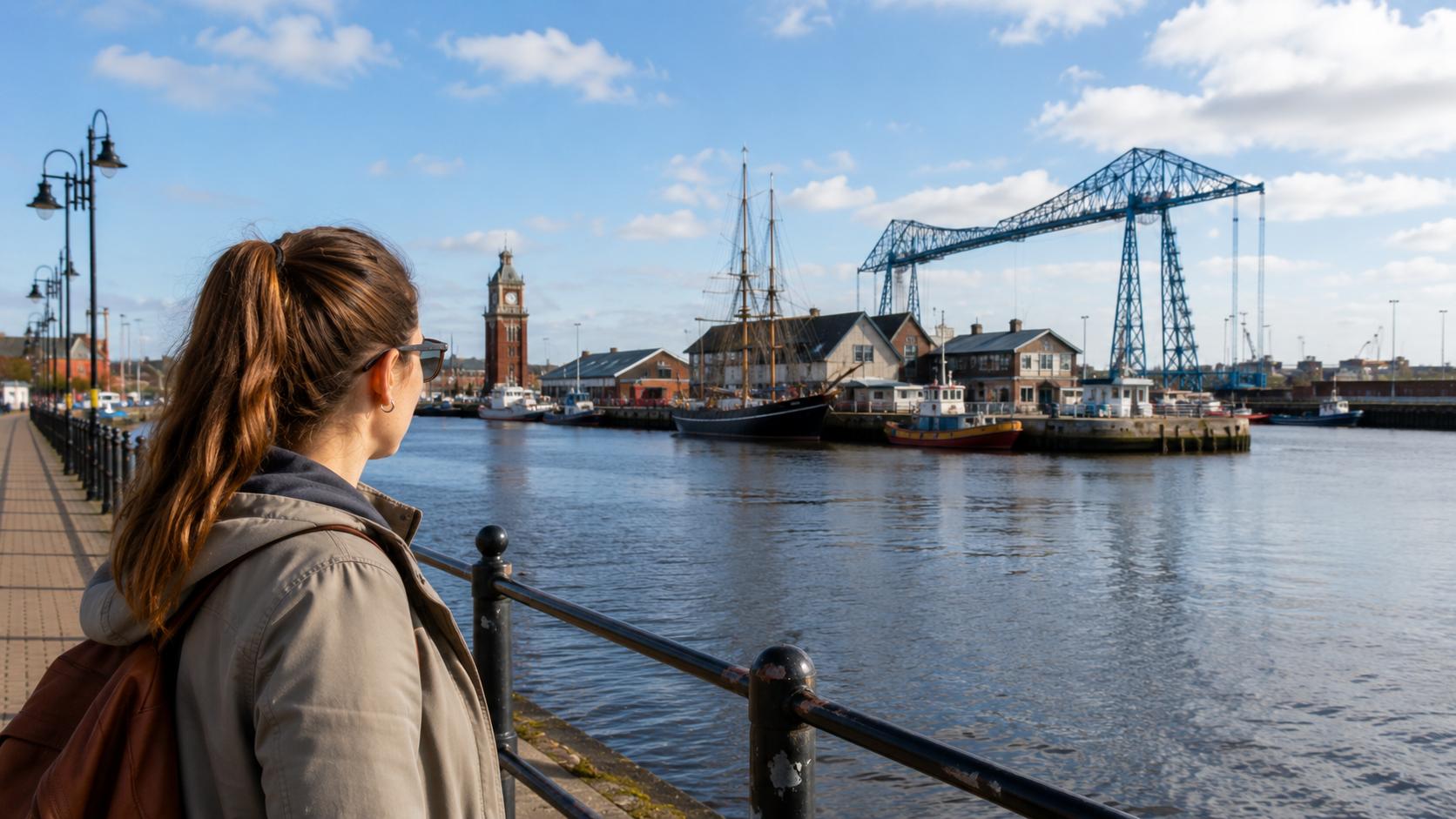
Cruise calls bring passengers who spend money in Newcastle and across Northumberland and Durham in the space of a single day, and the visitor economy value of a busy season is significant.
There is a counter-argument about the environmental impact of cruise shipping, including emissions and the concentrated pressure that day-visitor volumes place on small destinations, and it is a legitimate one that the industry is under pressure to address through cleaner fuels and shore power connection.
Share your thoughts.
Have you ever taken a cruise leaving from North Shields?
Travel News
Cruising From the Port of Tyne
Advertisement




Comments (0)
You must be logged in to post comments.
Don't have an account? Register here
No comments yet. Be the first to share your thoughts!