
Dubai occupies an unusual position for North East travellers. It has been served directly from Newcastle Airport for many years, which makes it one of very few long-haul destinations reachable without connecting through a larger hub.
That has made it both a destination in its own right and a stopover on longer journeys to Asia and Australia.
Here is what to expect and how to plan it, particularly with children.
Getting there from Newcastle.
The Dubai route has been operated from Newcastle Airport over a long period, with flying time around seven hours. Schedules and aircraft change, so confirm current arrangements when booking.
Dubai International is one of the busiest airports in the world and is well connected to the city by metro and taxi. The metro's red line runs directly from two terminals.
The time difference is modest, generally three or four hours ahead of the UK depending on the season, which makes jet lag manageable in both directions.
Where it is and how it works.
Dubai is one of the seven emirates of the United Arab Emirates, on the southern shore of the Persian Gulf.
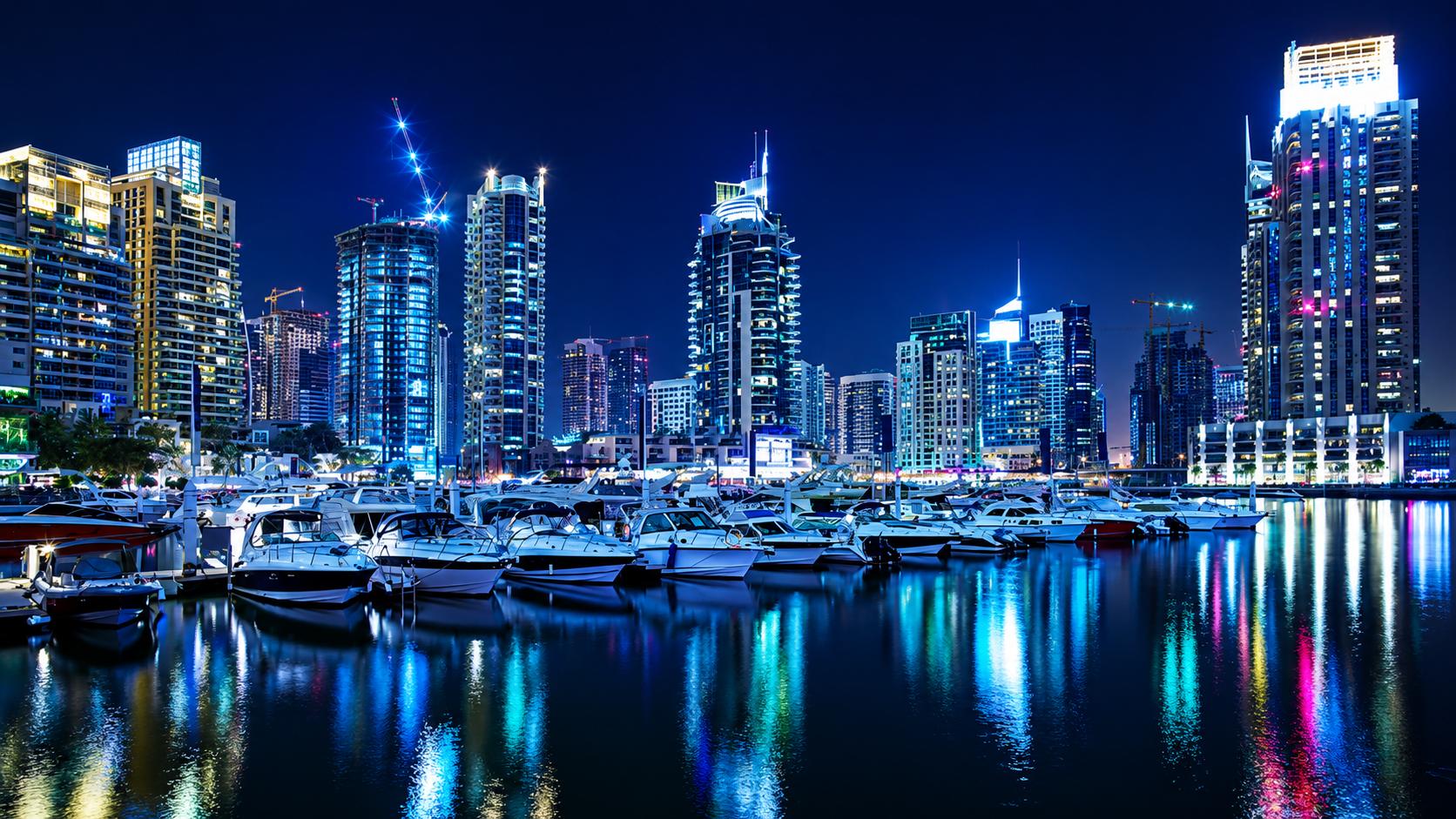
The city stretches along the coast, divided by Dubai Creek. North of it lies the older city, Deira and Bur Dubai, while the newer developments of Downtown, Marina and Palm Jumeirah extend south-west.
Distances are substantial and the city is built for cars. The metro is clean, cheap and air-conditioned, and taxis are metered and inexpensive by UK standards.
The modern landmarks are unavoidable.
The Burj Khalifa remains the tallest building in the world, and the observation decks at levels 124, 125 and 148 offer views that justify the price. Book online in advance, as sunset slots sell out and cost considerably more.
The Dubai Mall at its base is among the largest shopping centres anywhere and contains an aquarium and underwater zoo, an ice rink and a substantial indoor theme park.
The Dubai Fountain performs outside on the lake through the evening at regular intervals, and it is free to watch.
The Dubai Frame, a vast rectangular structure in Zabeel Park, offers views of old and new city from opposite sides and is considerably cheaper than the Burj.
Old Dubai is the better half.
Al Fahidi Historical Neighbourhood preserves the wind-tower architecture of the pre-oil city, with narrow lanes, courtyard houses, small museums and cafés.
The gold and spice souks in Deira are traditional markets and remain working commercial districts rather than reconstructions.
Crossing the creek by abra, the small wooden passenger boats, costs very little and is one of the best experiences in the city. Boats run continuously and leave when full.
The Museum of the Future, by contrast, is a striking modern building with an ambitious interior, and tickets should be booked ahead.
It is genuinely good with children.
Dubai is set up for families to an extent few destinations match. Waterparks including Aquaventure and Wild Wadi are among the best anywhere, and there are large indoor theme parks in several malls.
Indoor attractions matter because outdoor activity is limited for much of the year by heat. Malls function as public space, air-conditioned and open late.
Global Village, an open-air cultural and entertainment park, operates seasonally through the cooler months and is excellent value.
Desert safaris, involving dune driving, camel rides and an evening meal, are widely available. Choose an operator carefully, and be aware that dune bashing is not suitable for everyone, including young children and anyone prone to motion sickness.
Heat governs the calendar.
This is the single most important planning factor. Summer temperatures regularly exceed forty degrees with high humidity, and outdoor activity between roughly June and September is genuinely uncomfortable and can be dangerous.
The best months are November through March, when daytime temperatures are pleasant and evenings comfortable.
Even in cooler months, the sun is strong. Hats, high-factor sun cream and constant hydration are essential.
Etiquette and law are worth understanding.
The UAE is more relaxed than some neighbours but has laws and customs that differ substantially from the UK.
Modest dress is expected in public places including malls, meaning shoulders and knees covered. Swimwear is fine at pools and beaches but not elsewhere.
Alcohol is served in licensed hotels and venues. Drinking in public or being drunk in public is an offence.
Public displays of affection should be avoided. During Ramadan, eating, drinking and smoking in public during daylight hours is restricted, and visitors are expected to observe this.
Same-sex relationships are criminalised under UAE law, which LGBTQ+ travellers should be aware of when considering a visit.
Practical points.
The currency is the dirham, pegged to the US dollar. Cards are accepted almost everywhere.
Tap water is desalinated and generally considered safe, though most visitors drink bottled.
Check current entry requirements before travelling, as visa arrangements for UK passport holders are generally straightforward but subject to change.
Share your thoughts.
Would you use Dubai as a destination in itself, or only as a stopover?
Travel News
Dubai from Newcastle: A Long-Haul Break Guide
The one long-haul route many North East travellers use without connecting elsewhere, Dubai works as a destination and as a stopover.
Advertisement

Comments (0)
You must be logged in to post comments.
Don't have an account? Register here
No comments yet. Be the first to share your thoughts!