
The Government's decision to classify Palestine Action as a proscribed terrorist organisation has been upheld by senior judges, marking a major legal victory for the Home Office and reigniting fierce debate over protest tactics, public safety and political activism across Britain.
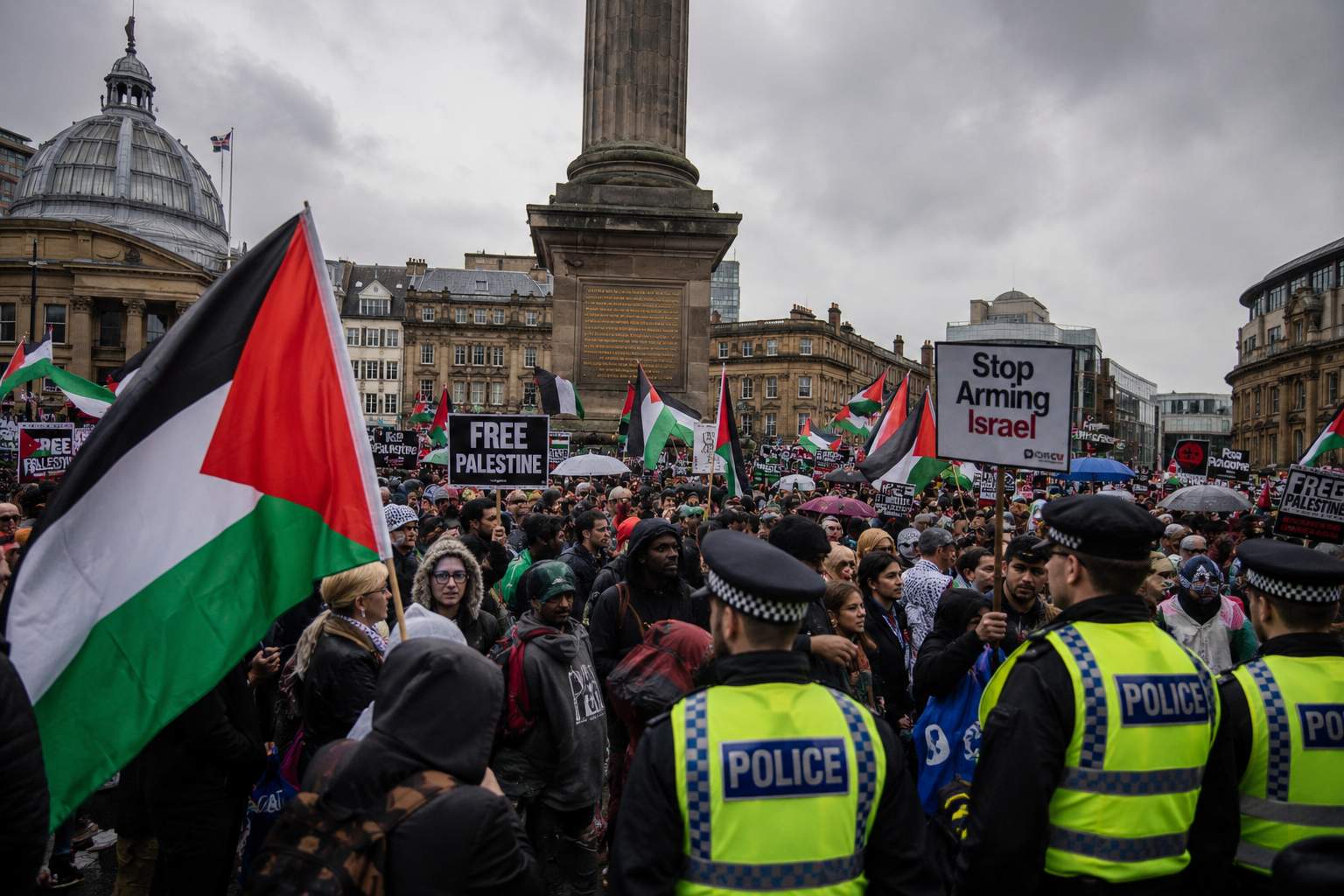
The ruling has sparked reactions nationwide, including in Newcastle, where demonstrations linked to the conflict in the Middle East have regularly attracted hundreds of protesters over the past two years. While supporters of Palestine Action argue the organisation represents direct action against companies linked to Israel, ministers have maintained that its activities crossed a line from protest into serious criminality.
The judgment is expected to have far-reaching consequences for campaign groups, police forces and activists, while raising fresh questions about the limits of lawful protest in the UK.
Appeal Court Backs Government Decision.
The Court of Appeal ruled that the Home Secretary acted lawfully when Palestine Action was added to the list of proscribed organisations under terrorism legislation.
The decision overturns an earlier ruling that had questioned the legality of the ban and represents a significant victory for the Government after months of legal challenges.
Membership of a proscribed organisation, or publicly supporting one, carries serious criminal penalties under UK law. Those found guilty can face prison sentences of up to 14 years.
In delivering the judgment, senior judges concluded that the Home Secretary had acted within her legal powers and that the decision was proportionate given the organisation's activities.
The court also rejected comparisons between Palestine Action and historical protest movements such as the suffragettes, finding that such parallels failed to reflect the nature and scale of the group's actions.
Why Was Palestine Action Banned?
The Government has repeatedly argued that Palestine Action moved beyond traditional protest methods and adopted increasingly aggressive tactics.
The organisation became known for targeting factories, defence contractors, offices and facilities linked to companies alleged to have connections with Israel. Activists frequently carried out direct action operations involving criminal damage, forced entry and disruption of business activities.
Ministers argued that repeated arrests and prosecutions had failed to deter members from carrying out further actions.
According to evidence presented during legal proceedings, the Home Office believed existing criminal sanctions were no longer sufficient and that proscription was necessary to prevent further escalation.
Government lawyers told the court there was no clear dividing line between serious criminality and terrorism-related activity in certain cases and argued that stronger powers were justified.
Newcastle Protests Continue Following Ruling.
The court decision has already generated strong reactions in Newcastle, where pro-Palestinian demonstrations have become a regular feature of city centre weekends.
In recent months, rallies have taken place around Grey's Monument and other key locations across Newcastle city centre, drawing campaigners, students and community groups.
While most demonstrations have remained peaceful, the ruling is likely to intensify debate among activists who believe the Government is restricting legitimate protest activity.
Some campaigners have described the ban as politically motivated, while others argue the court's decision reflects growing concerns about increasingly confrontational tactics employed by some groups across the country.
Northumbria Police, like forces elsewhere in the UK, continue to monitor demonstrations and ensure public order legislation is enforced during protests.
The latest ruling may also influence how future demonstrations are policed, particularly where individuals openly display support for proscribed organisations.
Arrest Numbers Highlight Scale Of Crackdown.
One of the most striking aspects of the controversy has been the number of arrests linked to support for Palestine Action since the organisation was banned.
Reports indicate that thousands of people have been detained or investigated nationwide since proscription came into force.
Counter-terrorism officers have been involved in a number of operations connected to alleged support for the organisation, while campaigners claim the legislation has created uncertainty among those wishing to participate in demonstrations.
Official Home Office figures show terrorism-related arrests across the UK have remained a significant policing priority in recent years, with hundreds of arrests recorded annually under counter-terrorism legislation.
Supporters of the ban argue the figures demonstrate the seriousness with which authorities view the issue, while critics say they raise concerns about freedom of expression and political activism.
Protest Or Criminality? The Debate Continues.
At the centre of the dispute is a question that has divided politicians, legal experts and campaigners alike.
Where does legitimate protest end and criminal activity begin?
Supporters of Palestine Action insist the group engaged in civil disobedience aimed at disrupting businesses they believe are linked to military activity.
Critics counter that repeated incidents involving criminal damage, threats to public safety and deliberate disruption of infrastructure justified stronger intervention.
The Court of Appeal ultimately sided with the Government's interpretation, concluding that the Home Secretary's decision fell within the scope of her legal authority.
The ruling is likely to become an important legal precedent for future cases involving protest groups and direct action campaigns.
Public Opinion Remains Deeply Divided.
Polling conducted in recent years has shown strong public support for the right to protest, but also significant concern about disruptive demonstrations.
YouGov research has repeatedly found that while many Britons support peaceful protest, support often falls sharply when demonstrations involve criminal damage, major disruption or risks to public safety.
That tension is reflected in the reaction to Palestine Action.
Some see the group as activists willing to take direct action in support of their cause. Others believe the organisation's tactics justified the Government's decision to use terrorism legislation.
The court ruling is unlikely to settle that debate.
Instead, it may intensify discussions about how Britain balances freedom of expression with public order and national security concerns.
What Happens Next?
The legal victory strengthens the Government's position and leaves Palestine Action facing significant obstacles if it wishes to challenge the decision further.
For police forces across the UK, including those responsible for policing demonstrations in Newcastle, the judgment provides greater legal clarity regarding the enforcement of proscription laws.
Meanwhile, activists opposed to the decision have vowed to continue campaigning against the ban.
As protests continue in cities across Britain, including Newcastle, the wider political and legal arguments surrounding Palestine Action show little sign of disappearing.
What began as a dispute over a single organisation has evolved into a broader national debate about protest, security and the limits of political activism in modern Britain.
Share your views below.
Do you agree with the court's decision to uphold the Palestine Action terror ban?
Political News
Palestine Action Terror Ban Upheld - What It Means for Newcastle Protests
Advertisement


Comments (0)
You must be logged in to post comments.
Don't have an account? Register here
No comments yet. Be the first to share your thoughts!